-
I now have a few videos up that involve fly design, so I thought it might be a good idea to produce this video to act as a reference for them. If someone wants to get a bit deeper into the intricacies of getting wet flies and streamers to swim well, then this video should be a decent reference point.
-
The Purple Peril is a famous West Coast pattern that combines two of my favourite steelhead clouds: purple and brown. I find that brown is an under-appreciated colour for Great Lakes steelhead. It's probably a safe estimate that most of my steelhead have been caught on flies where brown was a main colour.
-
A few years back, I noticed baitfish swimming in the shallows, occasionally reflecting a copper glint from around the head. That gave me the inspiration to tie the Copperhead Minnow. On my first try with the little streamer, it quickly proved its value by hooking a bunch of brown trout. I've also seen the need for small streamers when fishing for smallmouth and they were on to small baitfish.
-
This fly imitates a stage in the life cycle of a mayfly where it is most vulnerable to trout predation: the trip from river bottom to the surface to hatch. When a mayfly nymph is close to emerging, its skin falls up with gas, it becomes buoyant and it floats to the surface. This fly imitates this stage of the nymph as the clear beads reproduce the gas filled skin and reflect light on the nymph's trip to the surface.
-
A Pennsylvania angler, Samuel Slaymaker, created three small bucktail streamers that are intended to imitate young trout: the Little Rainbow Trout, the Little Brown Trout, and the Little Brook Trout. Adult trout are cannibals and have no hesitation in eating their own young. These small streamers are intended to imitate young trout and offer a tasty meal to a larger trout. They're not hard to tie and they are effective.
-
A Pennsylvania angler, Samuel Slaymaker, created three small bucktail streamers that are intended to imitate young trout: the Little Rainbow Trout, the Little Brown Trout, and the Little Brook Trout. Adult trout are cannibals and have no hesitation in eating their own young. These small streamers are intended to imitate young trout and offer a tasty meal to a larger trout. They're not hard to tie and they are effective.
-
A Pennsylvania angler, Samuel Slaymaker, created three small bucktail streamers that are intended to imitate young trout: the Little Rainbow Trout, the Little Brown Trout, and the Little Brook Trout. Adult trout are cannibals and have no hesitation in eating their own young. These small streamers are intended to imitate young trout and offer a tasty meal to a larger trout. They're not hard to tie and they are effective.
-
Back in 1969, my very first fish on a fly rod came on a Black Ghost. The one pound smallie took the streamer that had been fished off the end of a level sinking line. I had been out on the St. Lawrence River in a little tin boat owned by my buddy's dad.
The Black Ghost has been one of my favourites ever since. -
If your local waterways have yellow perch in them, then you have to have at least one yellow perch pattern in your fly box. Our brown trout section of the river is a tailwater fishery and during high water events, baby perch get washed through the dam into the brown trout section. Then the trout go nuts on any perch-like fly pattern. Give this one a try.
-
The Mini-Brown streamer came about due to a dumb mistake. I was supposed to be copying the Professor wet fly, but I misplaced my sample and tied the fly from memory instead. The result was this little streamer, which has turned out to be a dynamite little pattern for both trout and panfish. I also tie it in a Mini-Brookie and a Mini-Bow version.
-
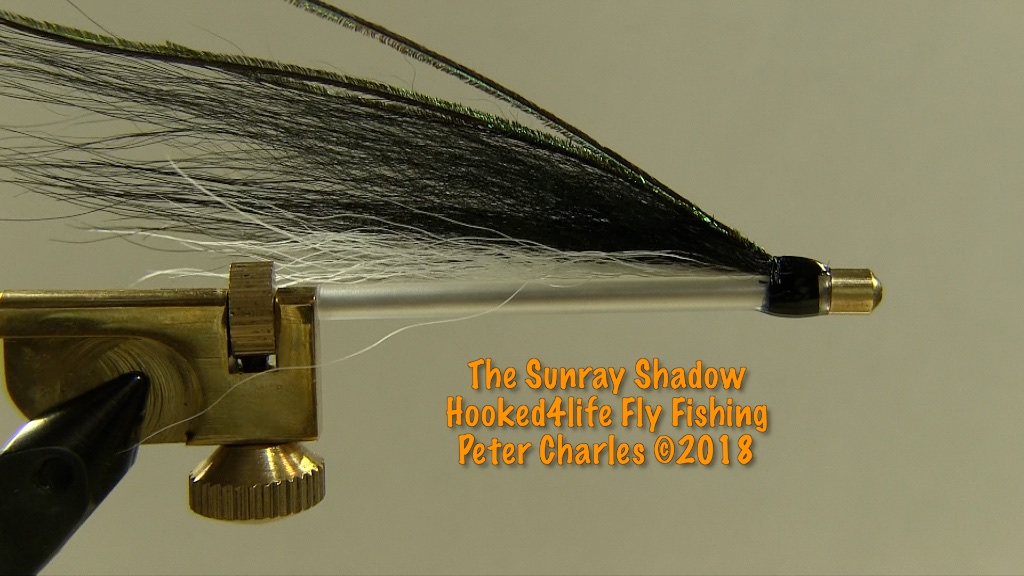
The Sunday Shadow is a very famous Atlantic salmon fly commonly fished in Scandinavia and the UK. It's a very easy fly to tie and makes for a great first tube fly project. There's no reason why this fly can't be effective for other species as well.
-
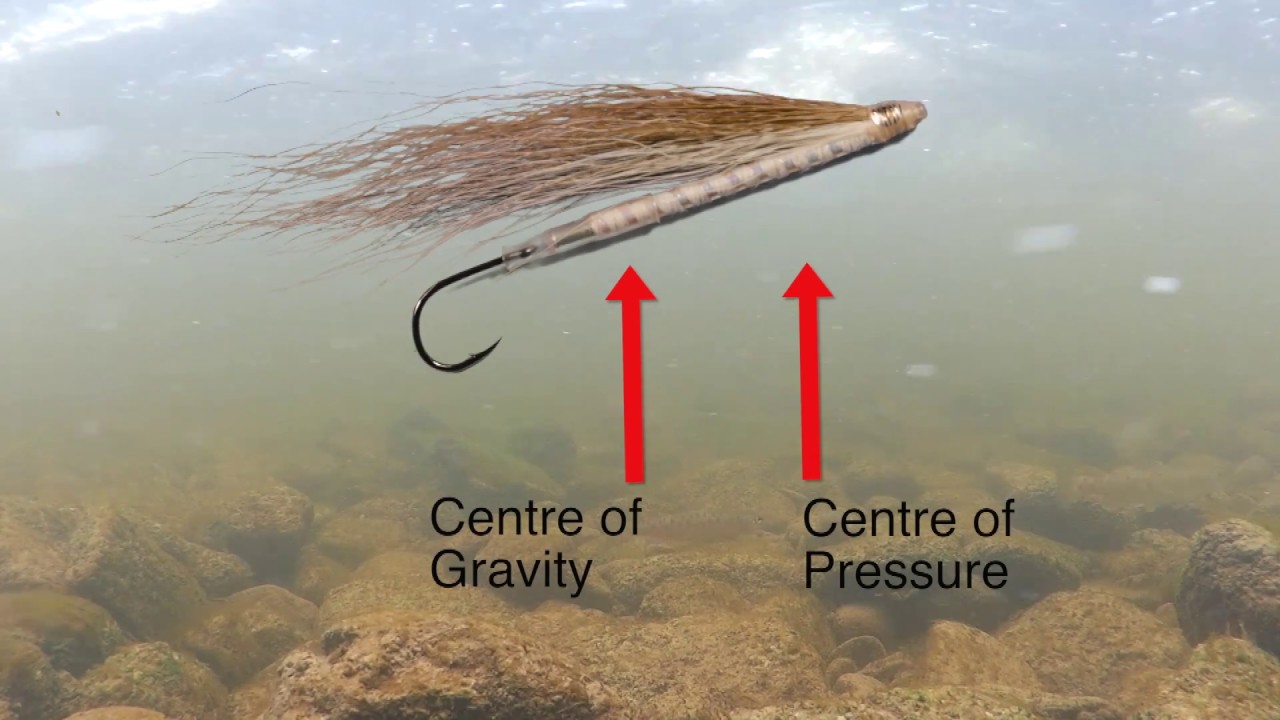
When we start out tying tube flies, it's common for anglers to find that their tube flies do not swim level. As the fly swings into slower currents, the hook rides progressively lower. As a consequence, when a steelhead hits, we miss the fish. This video explains why and what is needed to stop that from happening.
-

When we start out tying tube flies, it's common for anglers to find that their tube flies do not swim upright. As the currents get faster or if they're stripping the fly in, it rides on its side. this video explains why and what is needed to stop that from happening.
-
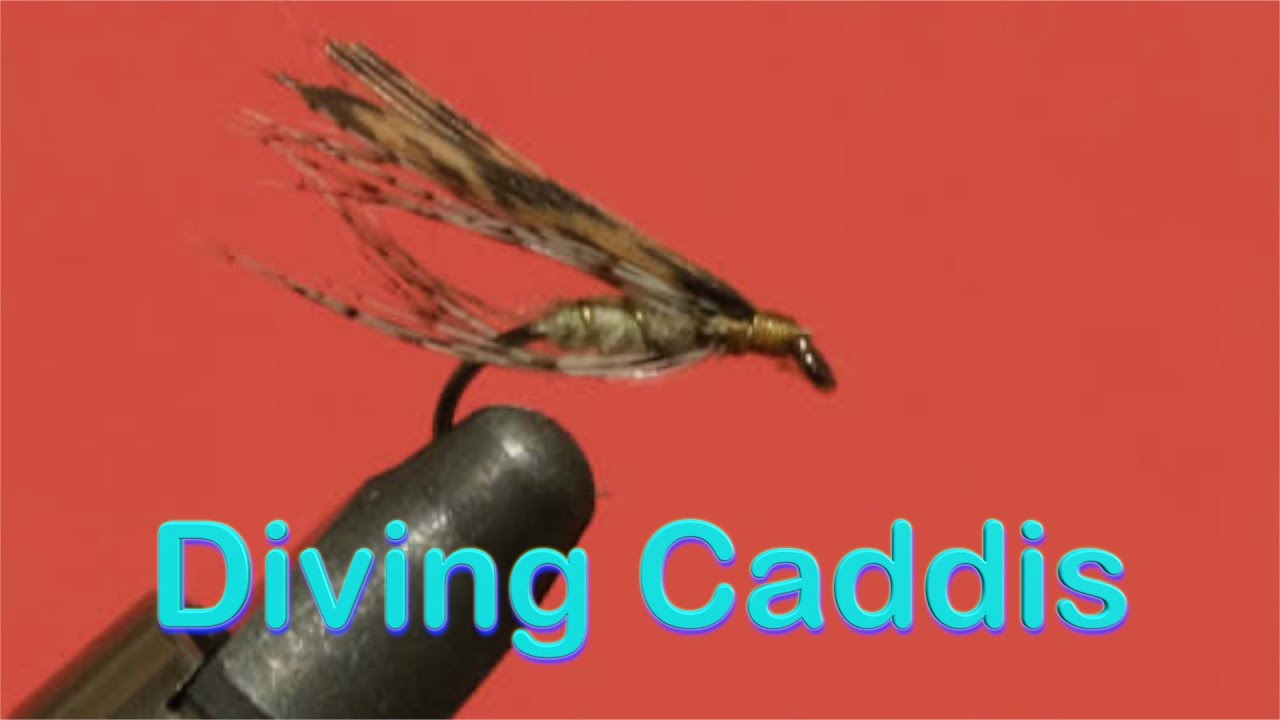
This Diving Caddis fly is one of my own designs and it's intended to imitate the egg laying, diving females of the Hydropsyche genus - the Tan Caddis and the Spotted Sedge.
-
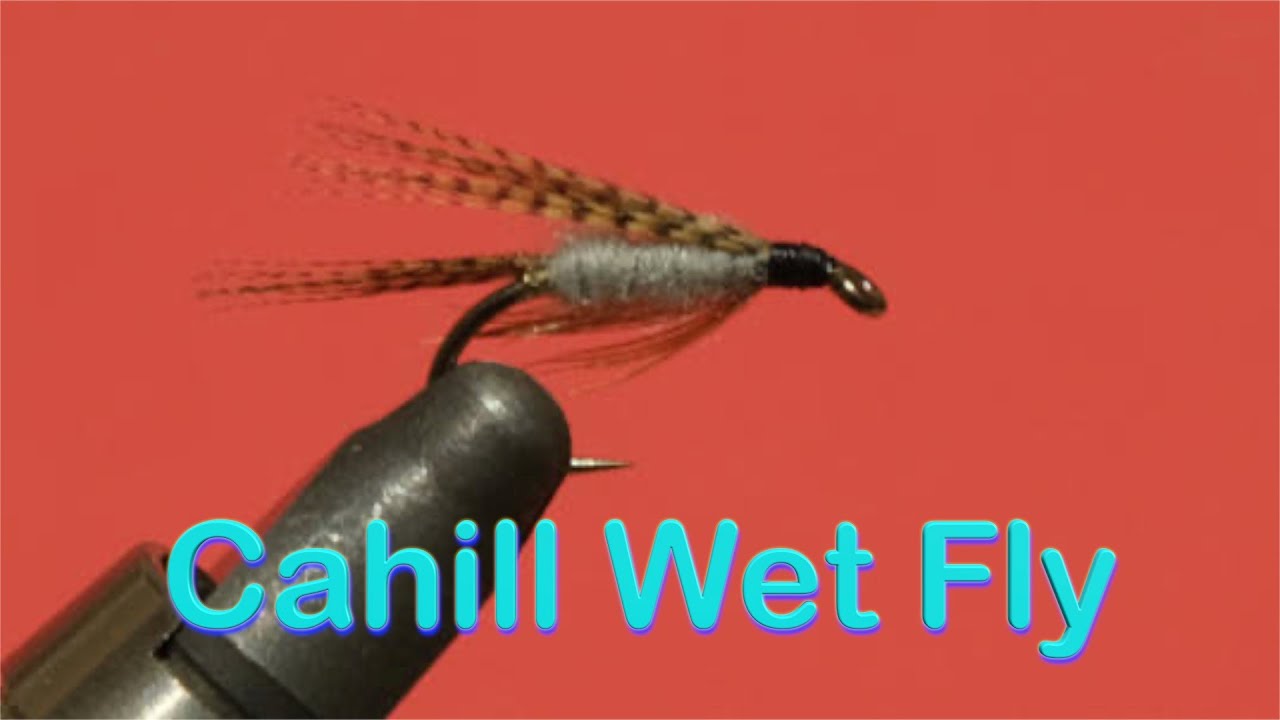
The Cahill wet fly is a very easy tie that is highly effective in the spring during mayfly hatches.
-
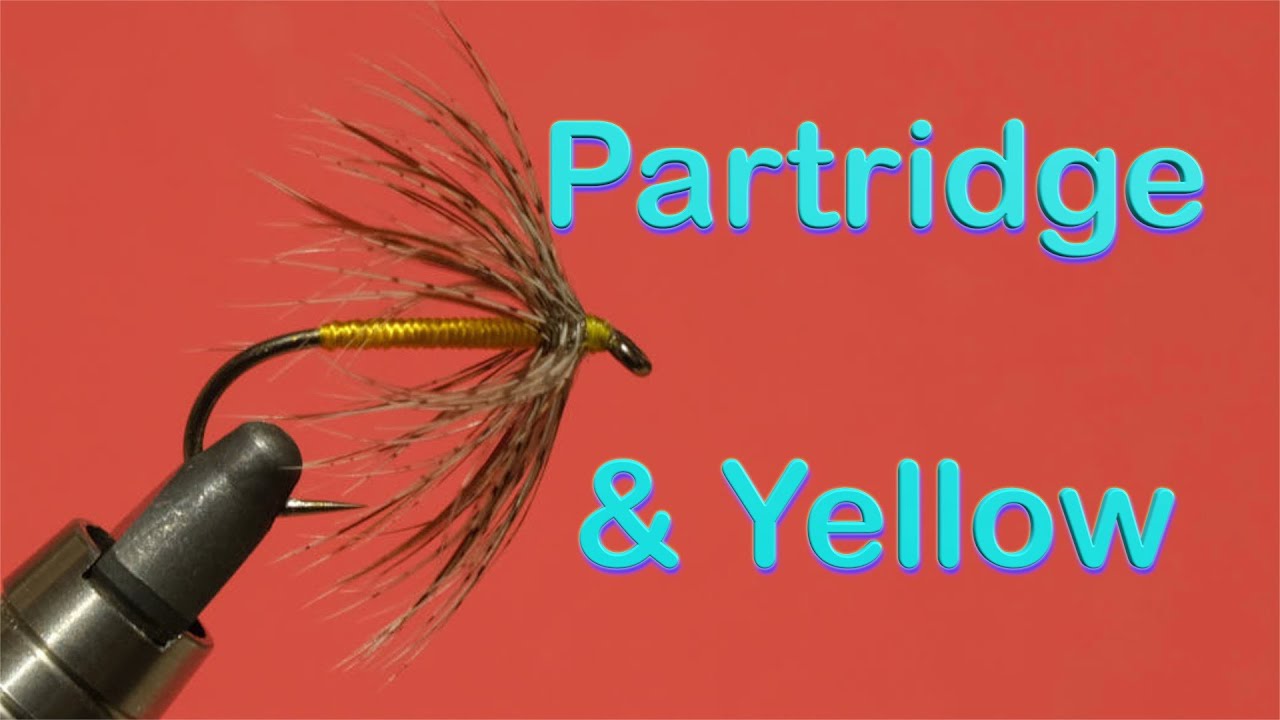
The Partridge and Yellow is a very famous Yorkshire wet fly that is still highly effective and very easy to tie.
-
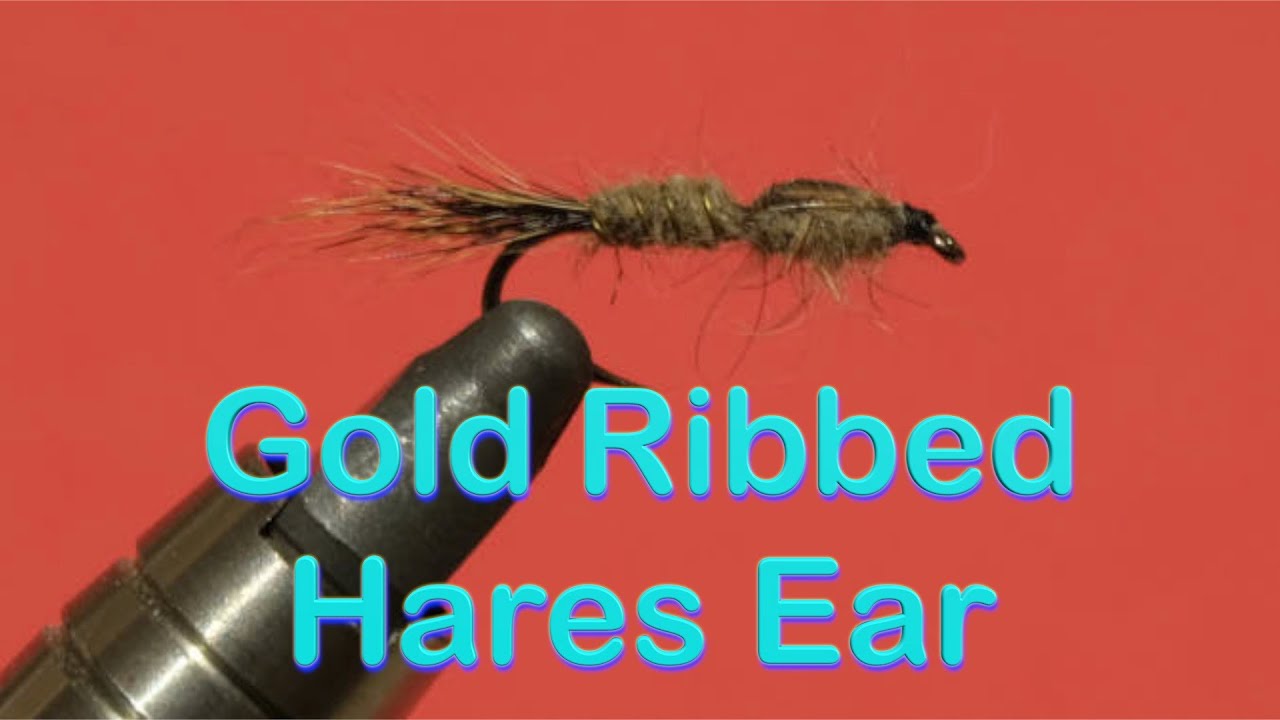
The Gold Ribbed Hare's Ear (GRHE) has to be one of the most famous and effective nymphs out there. This particular style of GRHE mimics swimming nymphs like Isonychias.
-
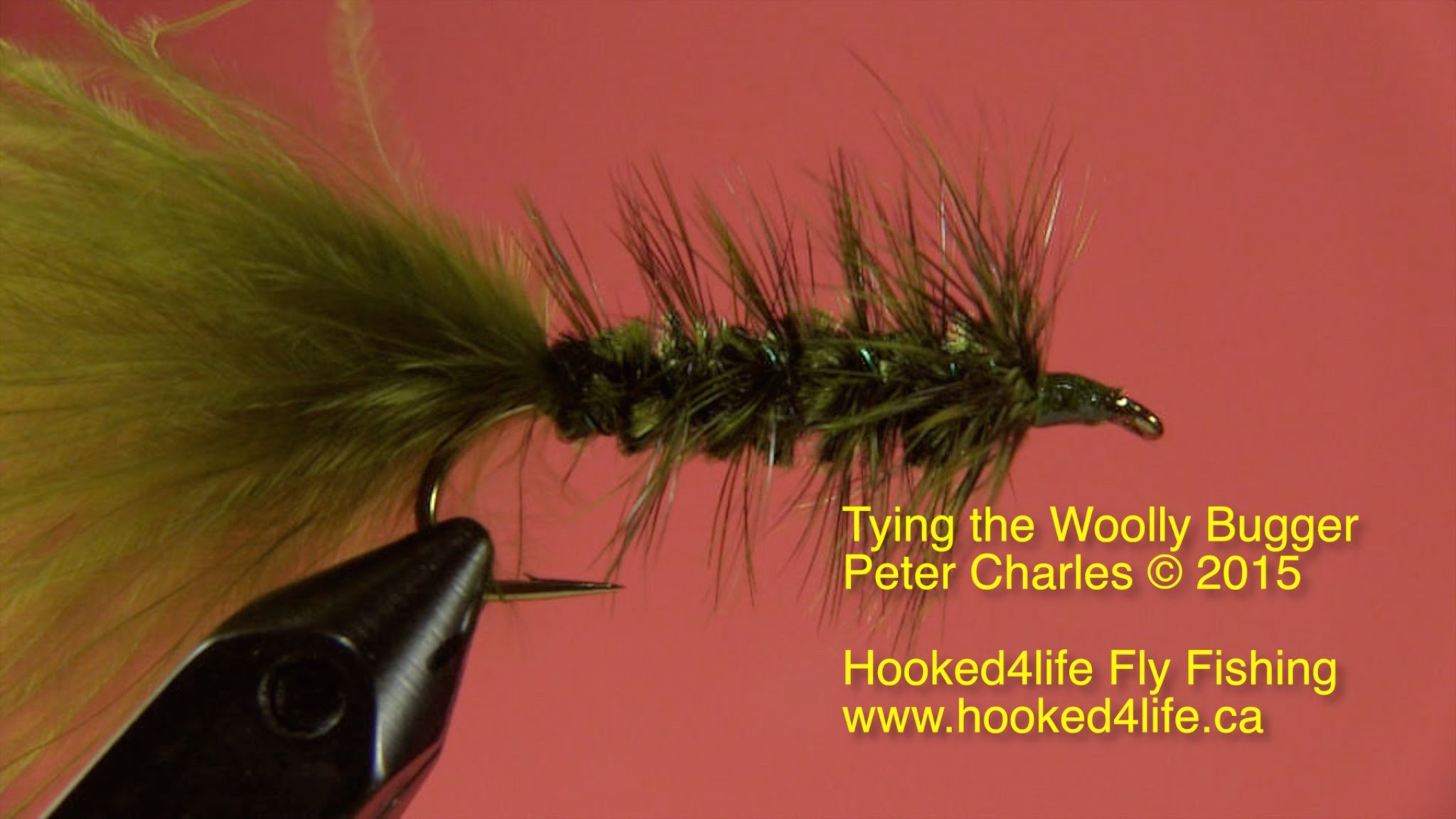
The ubiquitous Woolly Bugger catches everything.
-
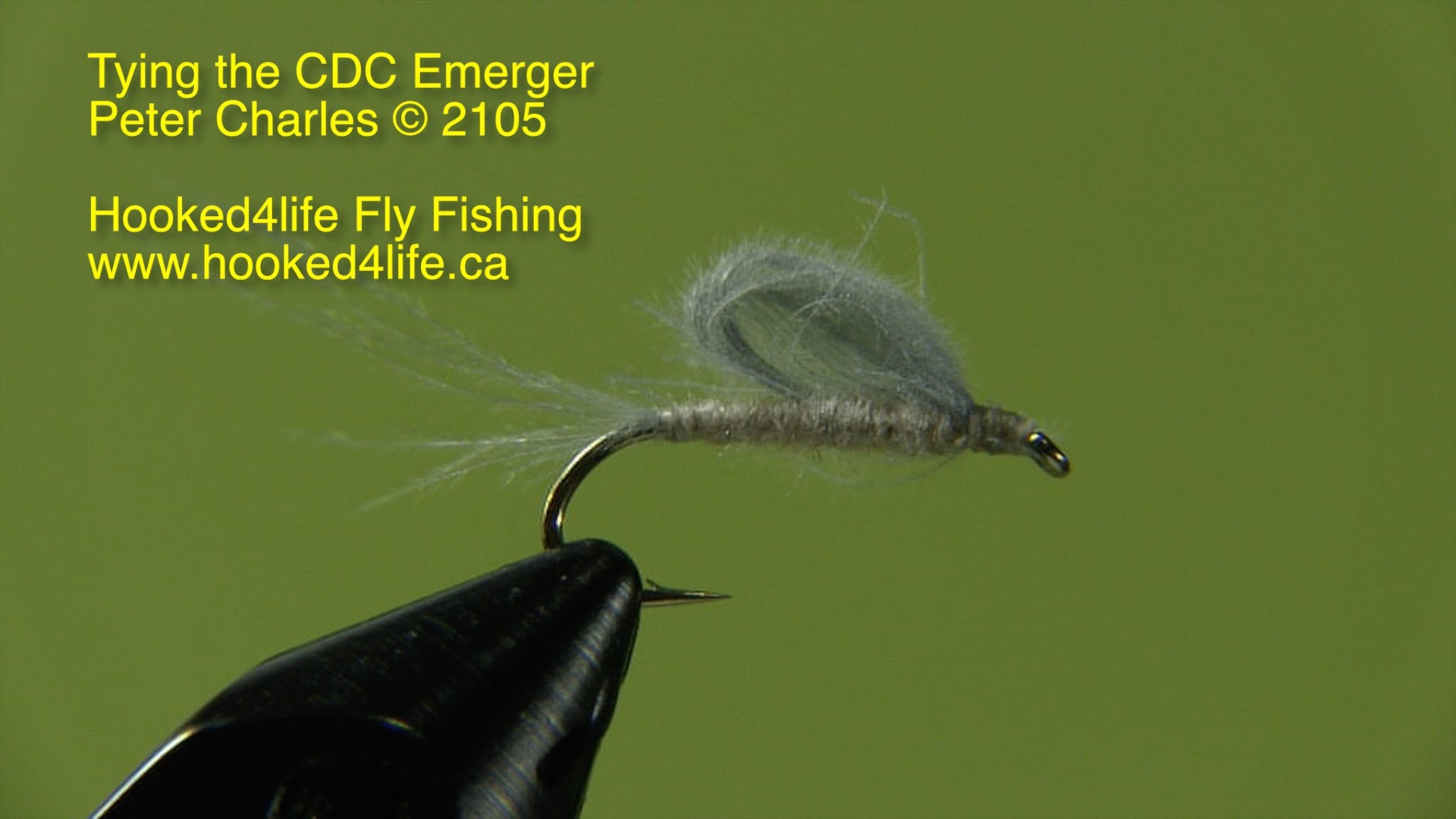
The CDC Emerger is best used when trout are hitting mayflies, but not the duns.
-
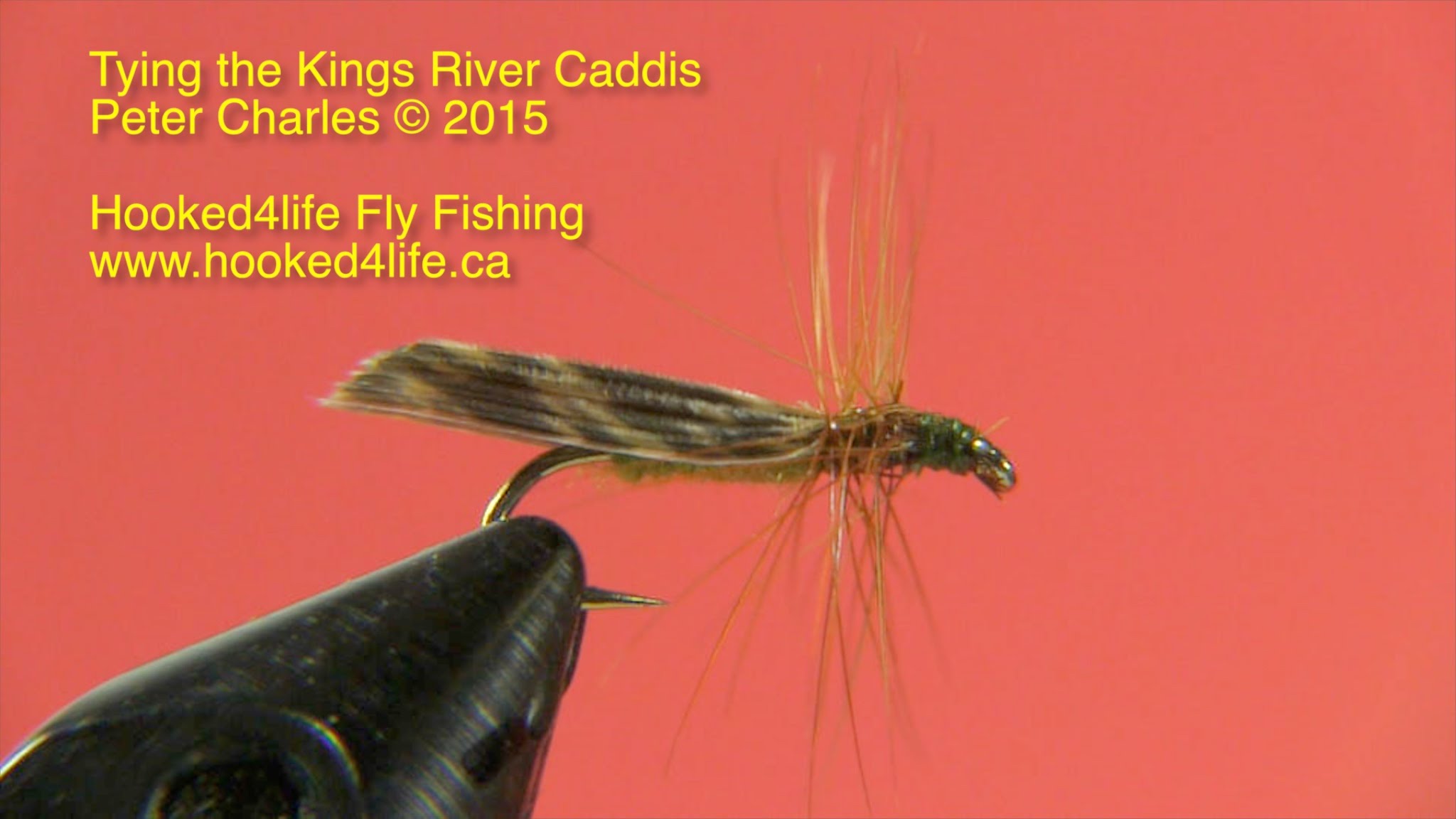
The Kings River Caddis is my go-to pattern when the Spotted Sedge is on the water.
-
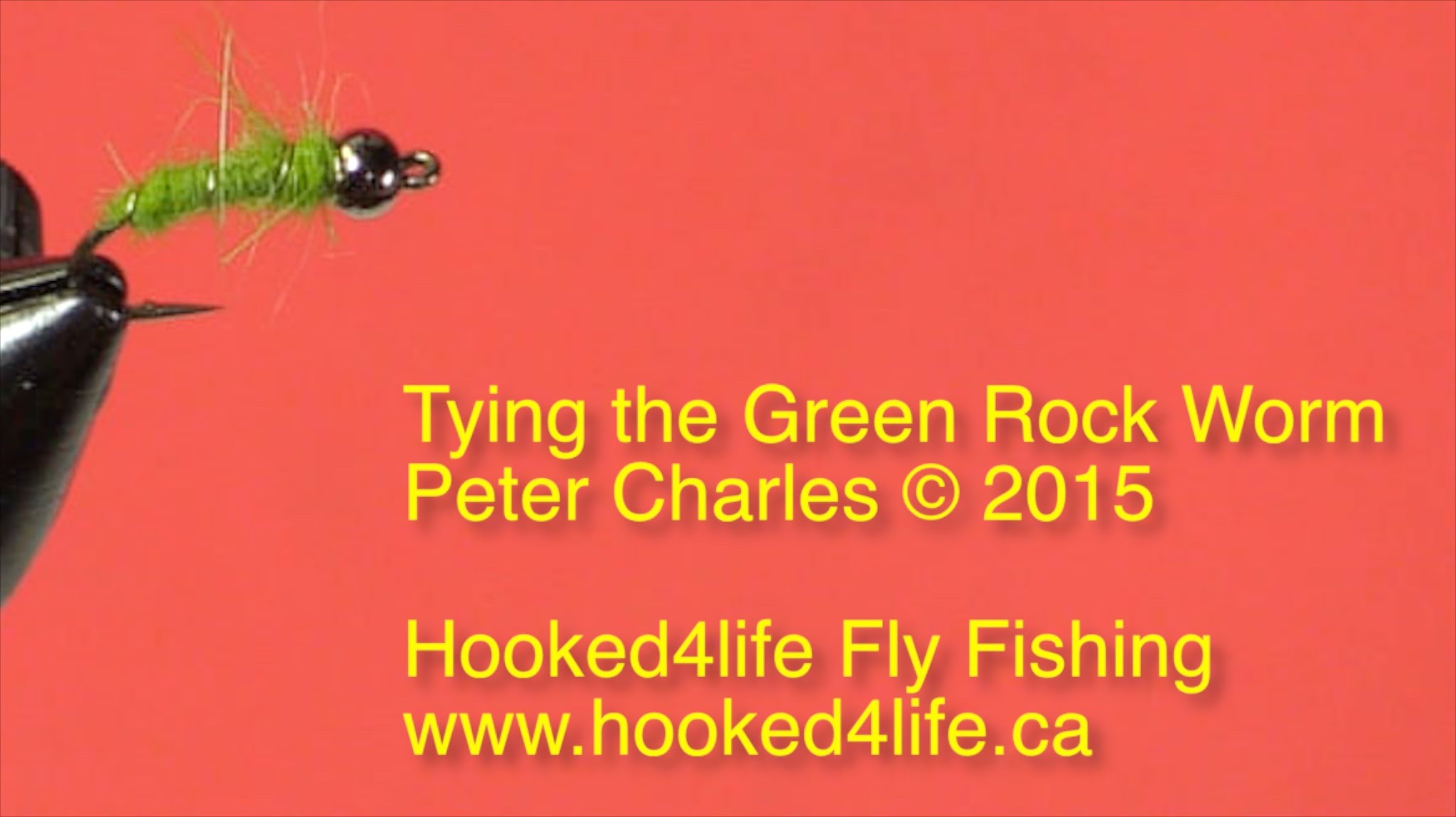
The Green Rock Worm is great for those cold, clear brook trout streams.
-
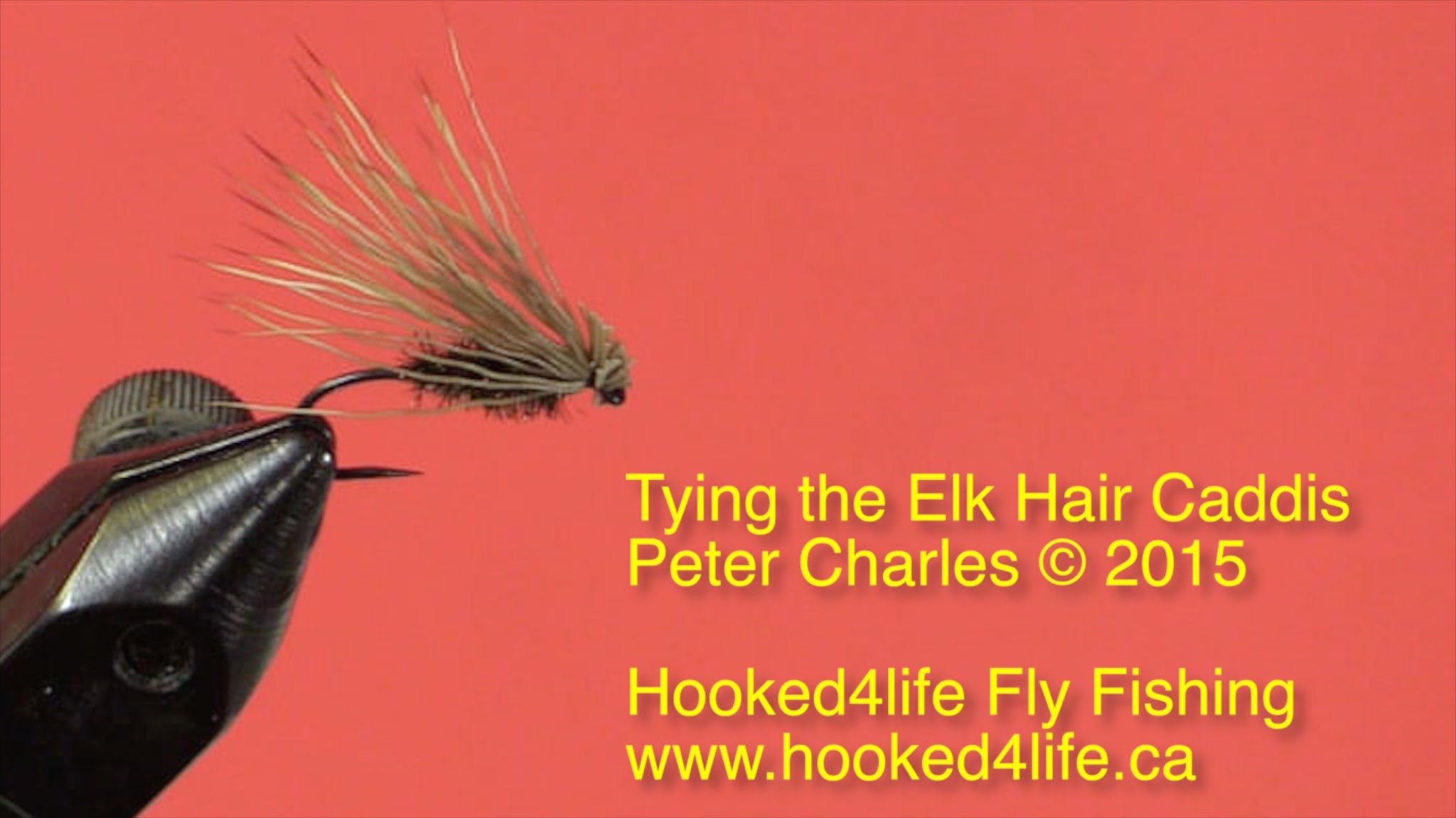
The Elk Hair Caddis is the classic caddis dry imitation.
-
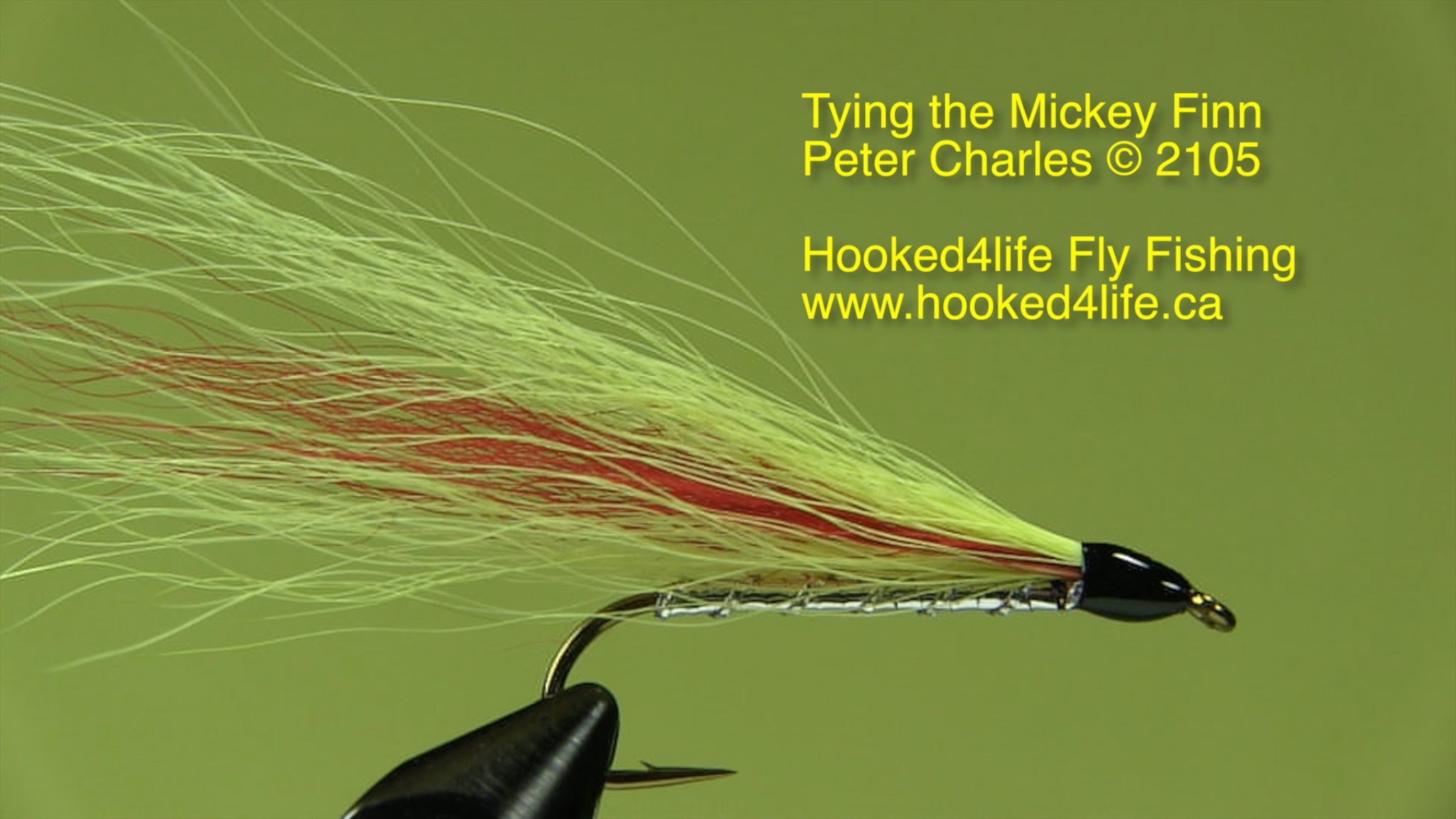
The Mickey Finn is a classic streamer with broad applications.
-
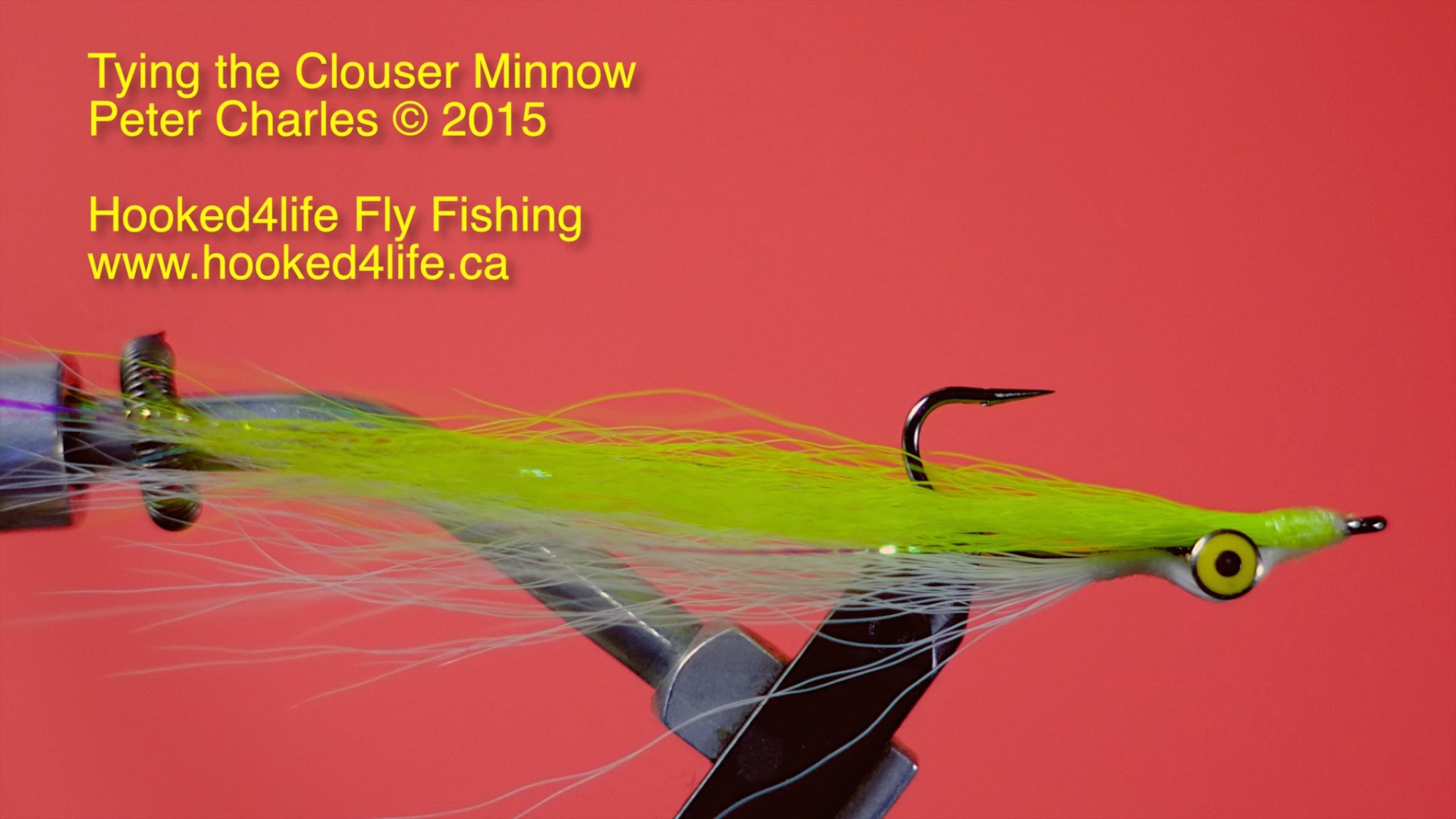
Designed by Bob Clouser, the Clouser streamer is an effective fly for any species of bass.
-
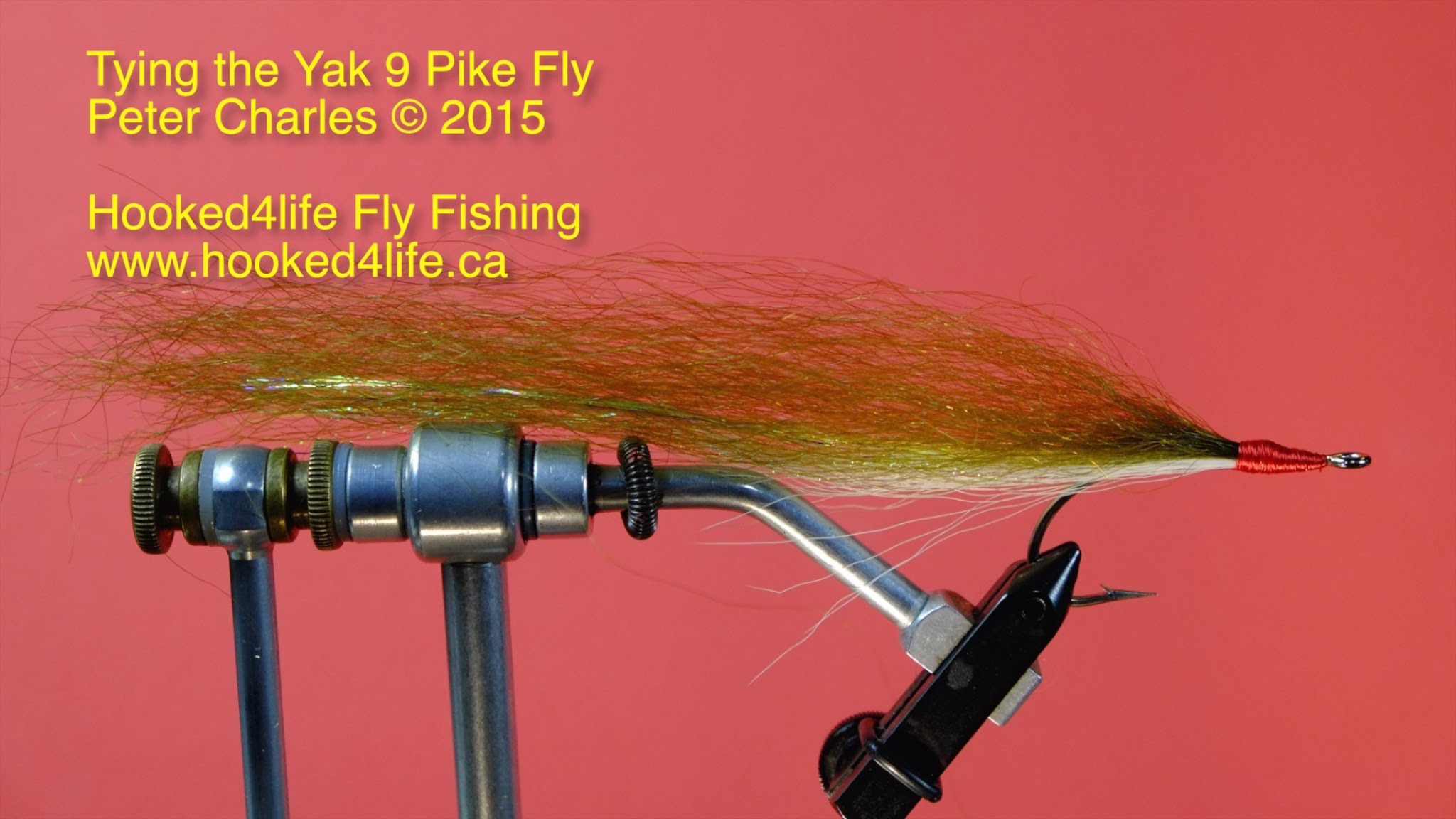
The Yak 9 Pike Fly is one of my patterns that has proven to be durable, easy to cast, and catches pike.
-
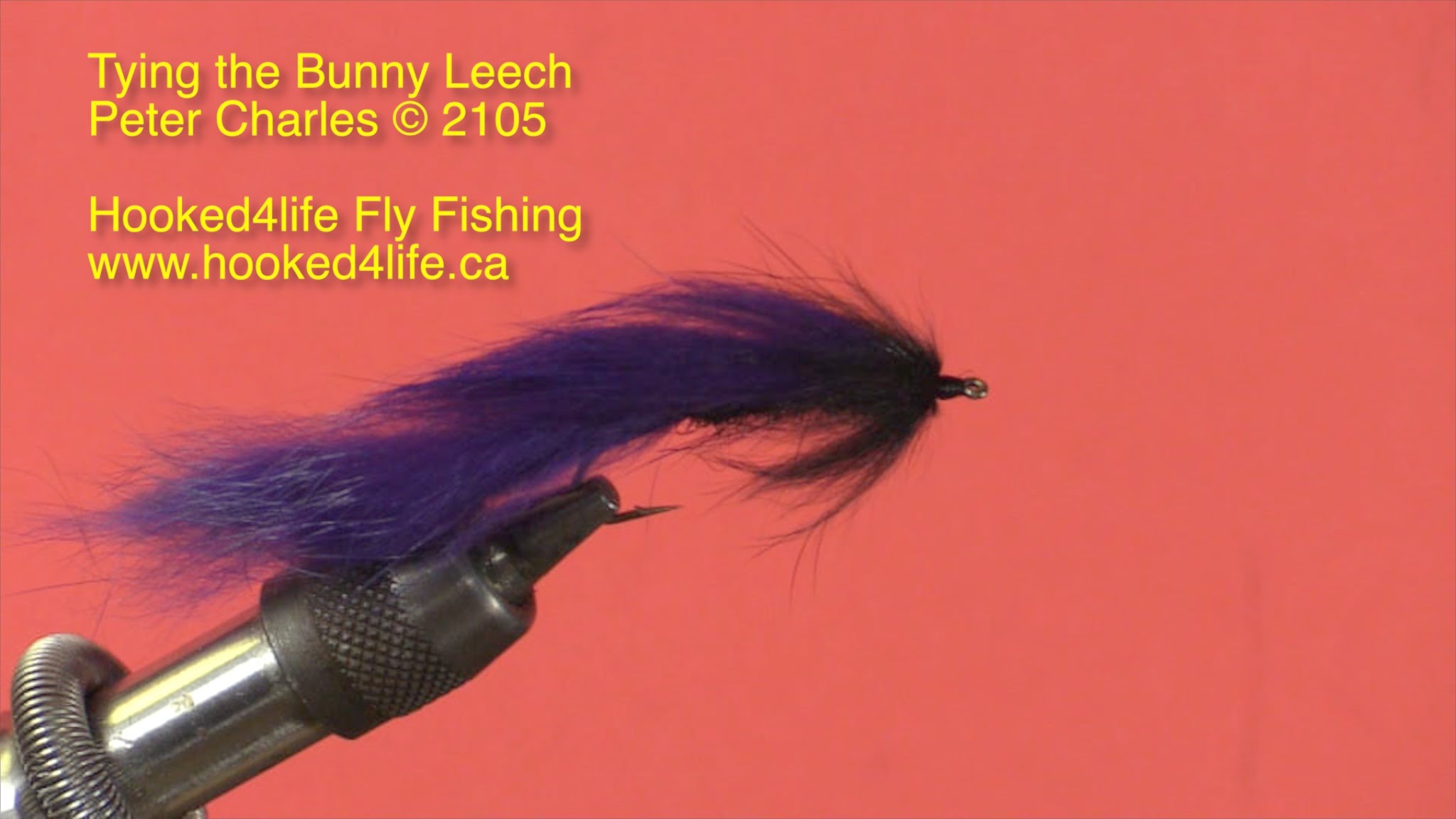
The Bunny Leech is effective for both bass and steelhead.
-
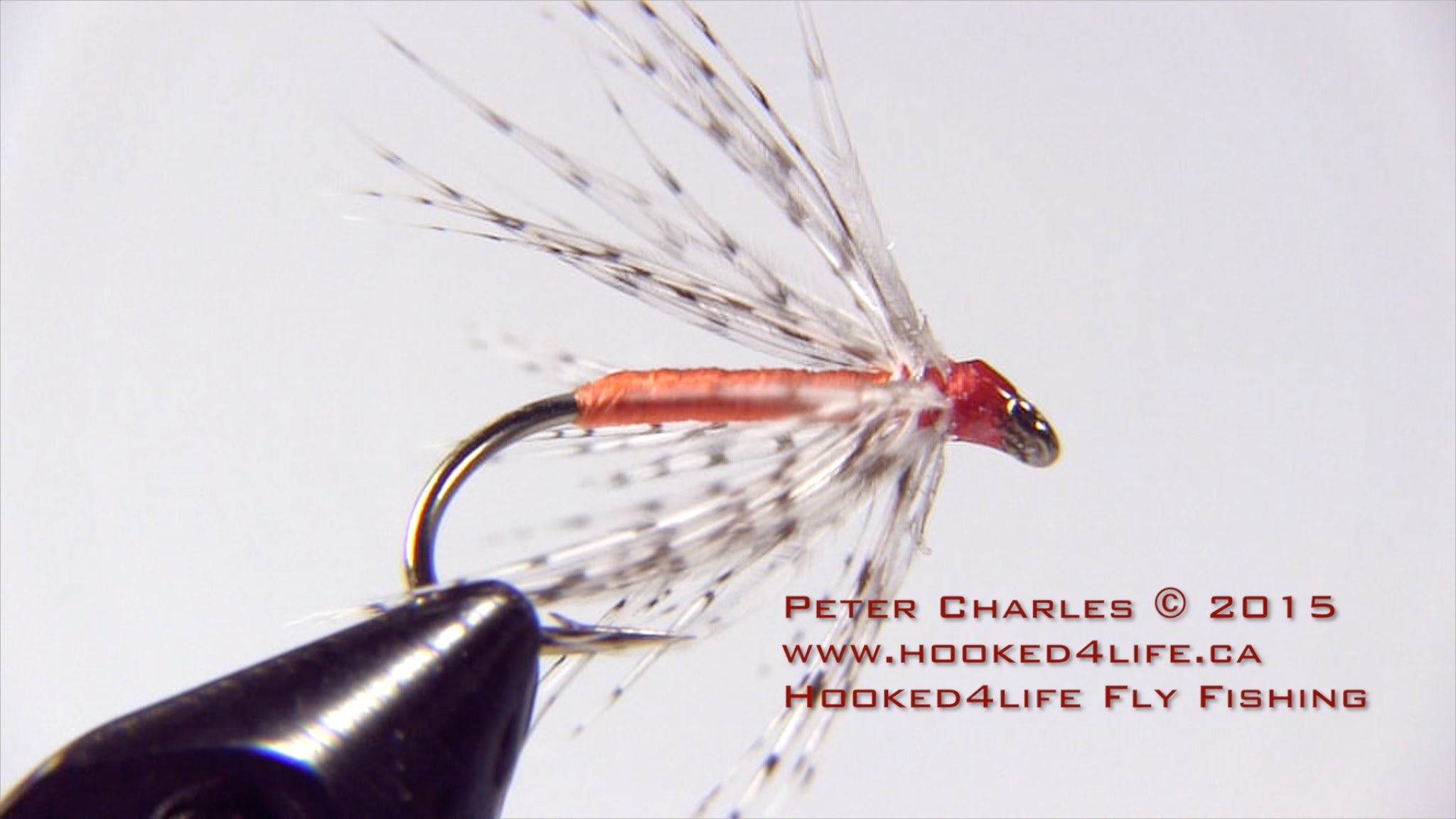
The Partridge and Orange is a classic Yorkshire wet fly, and a favourite of trout everywhere.
-
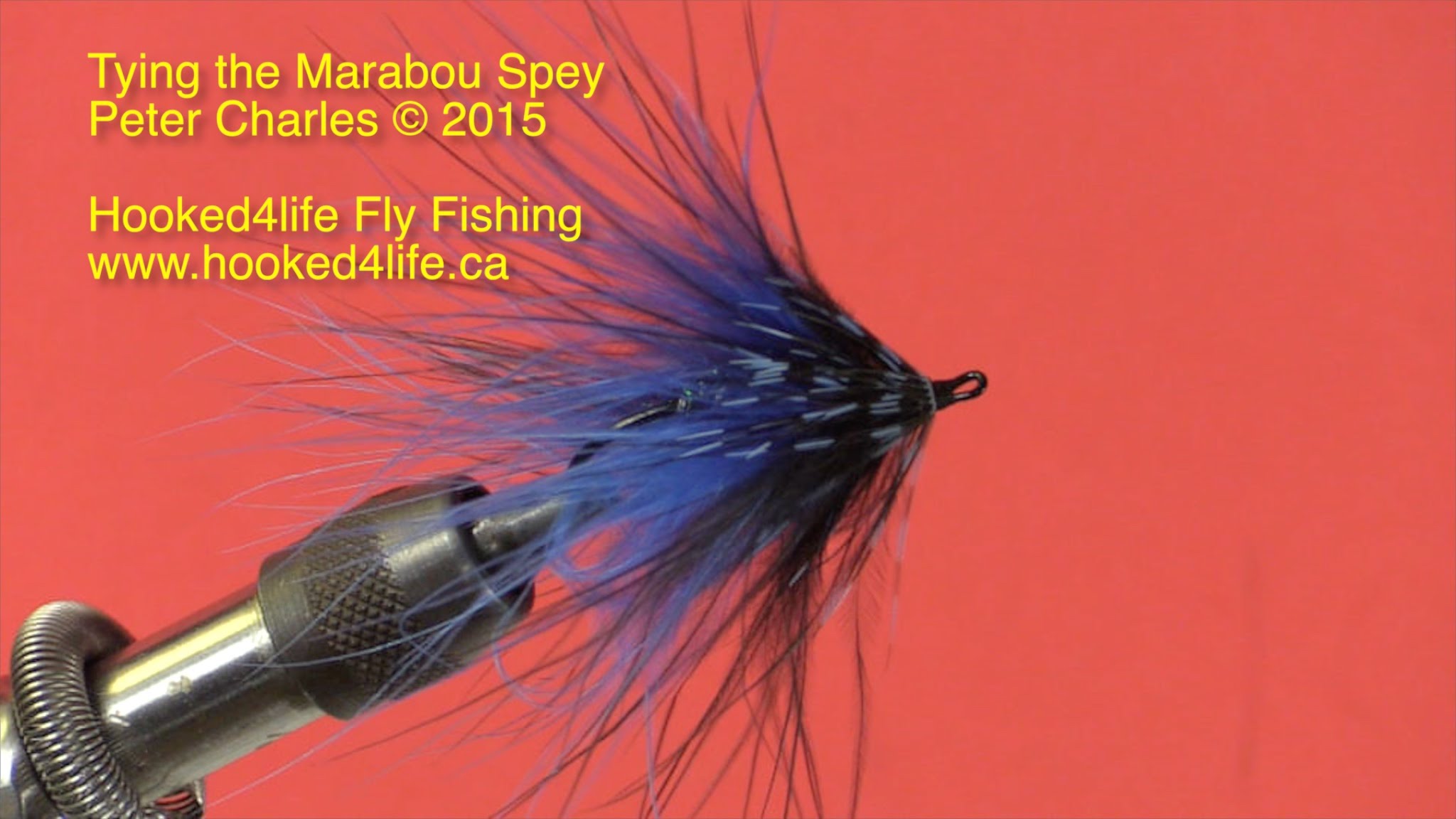
The Marabou Spey. Marabou flies are very effective steelhead patterns.
-
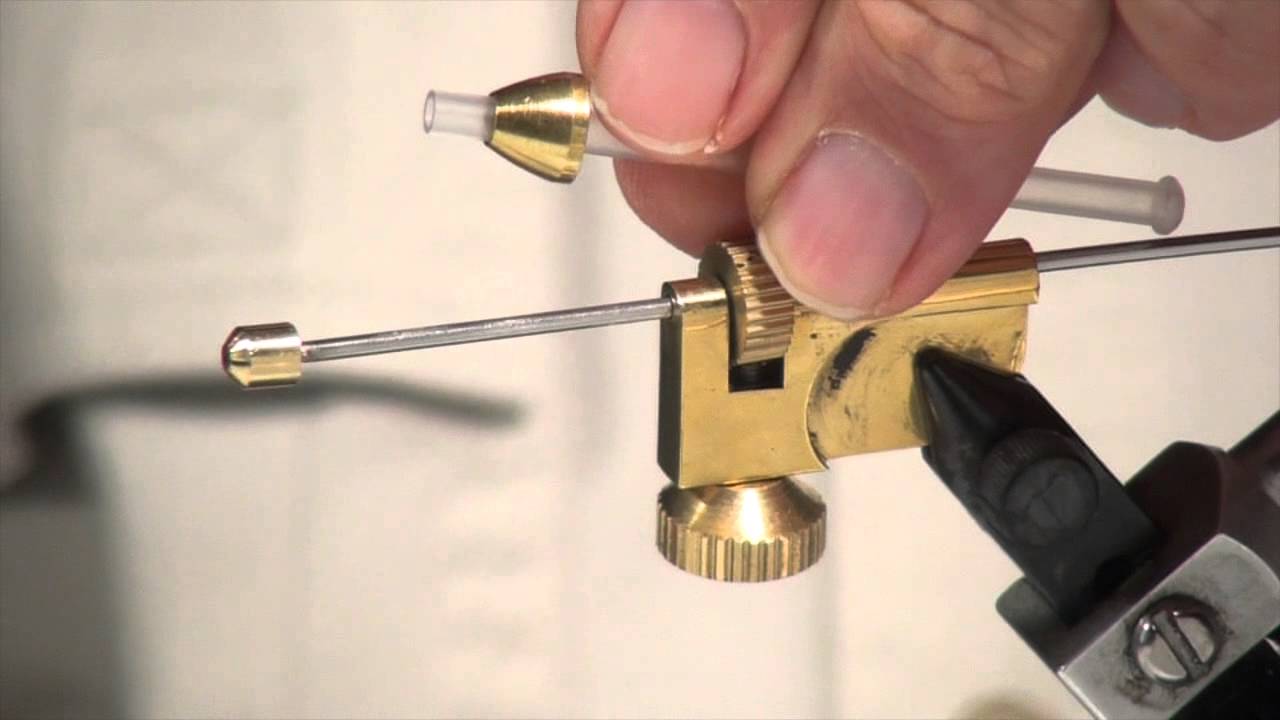
Learn how to use the techniques and tools for tying tube flies.
-
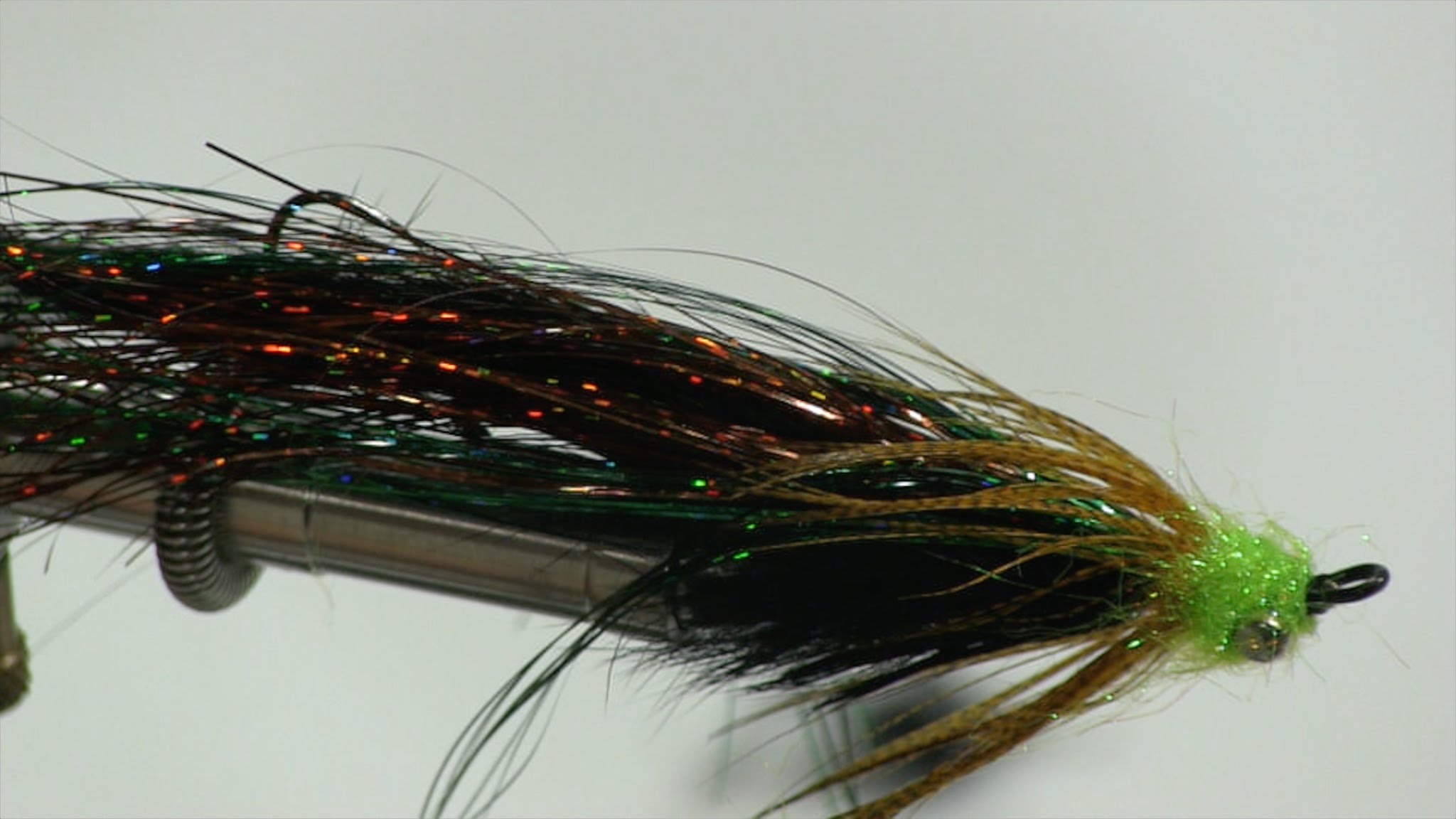
The Midwest Leech, an effective pattern from Michigan guide Matt Zudweg.
-
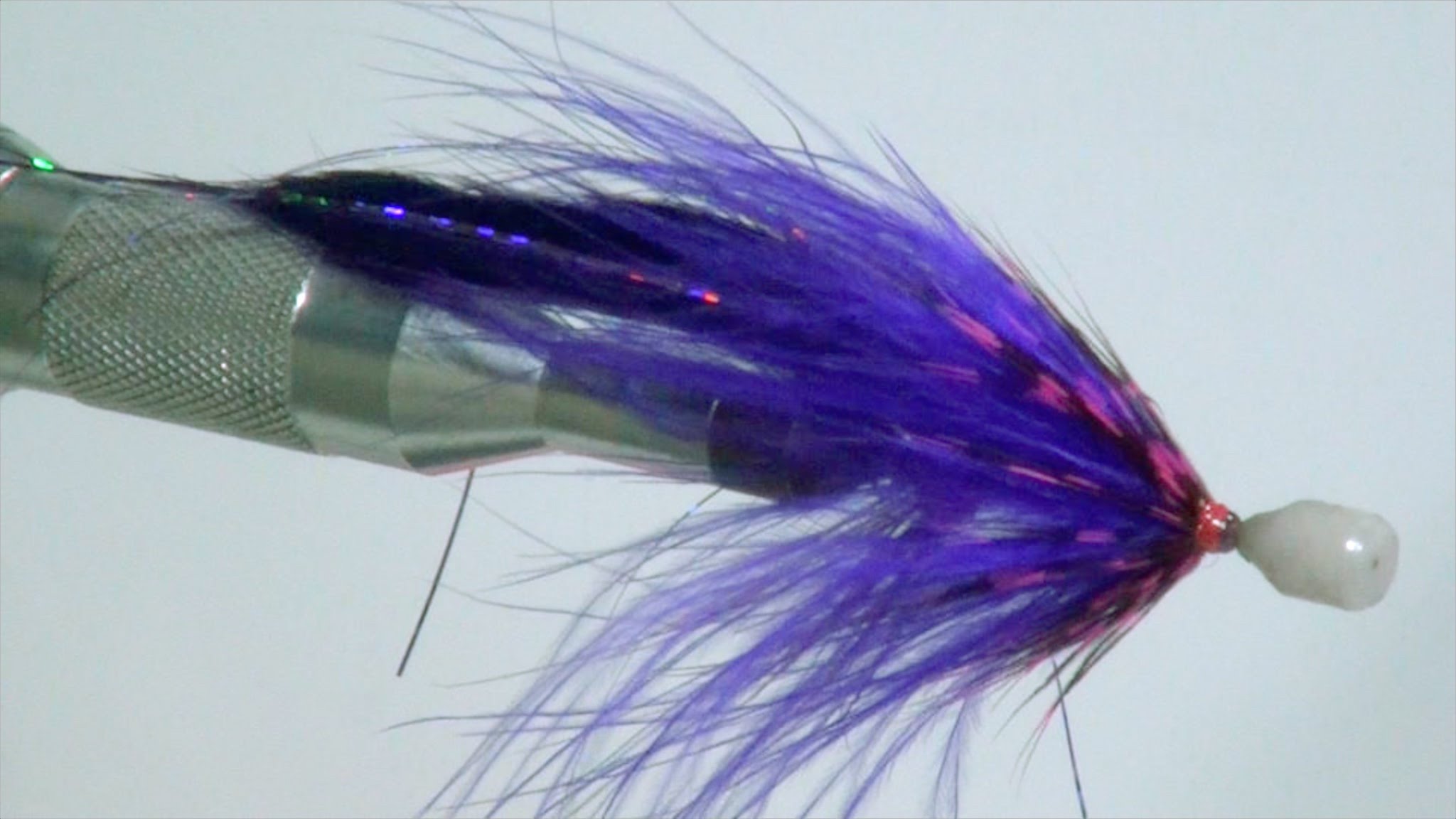
The Slammer is a popular B.C. pattern that Rick uses with equal effectiveness in the Great Lakes.
-
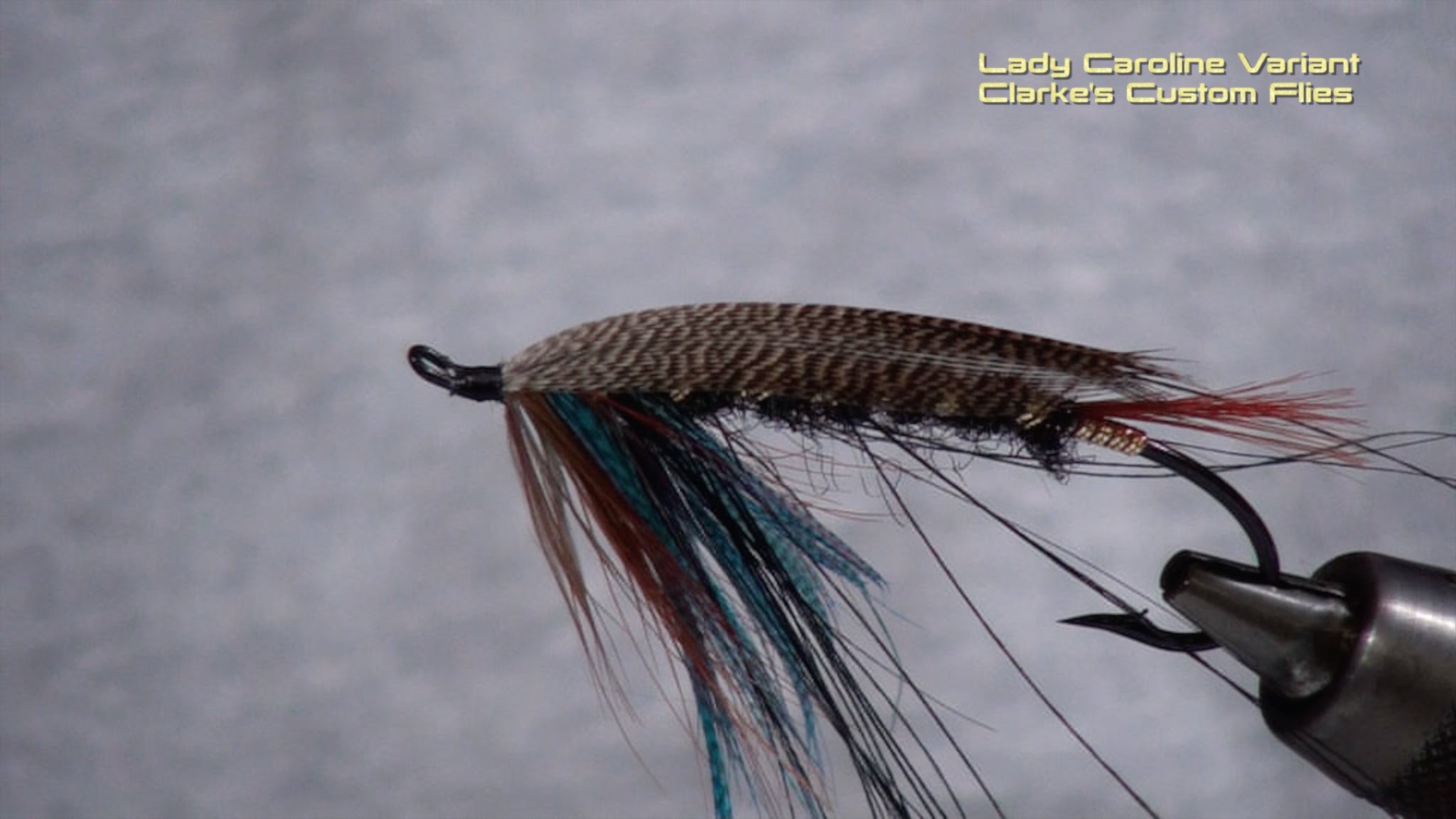
The Lady Caroline, one of the most famous Spey flies to ever grace a river.
-
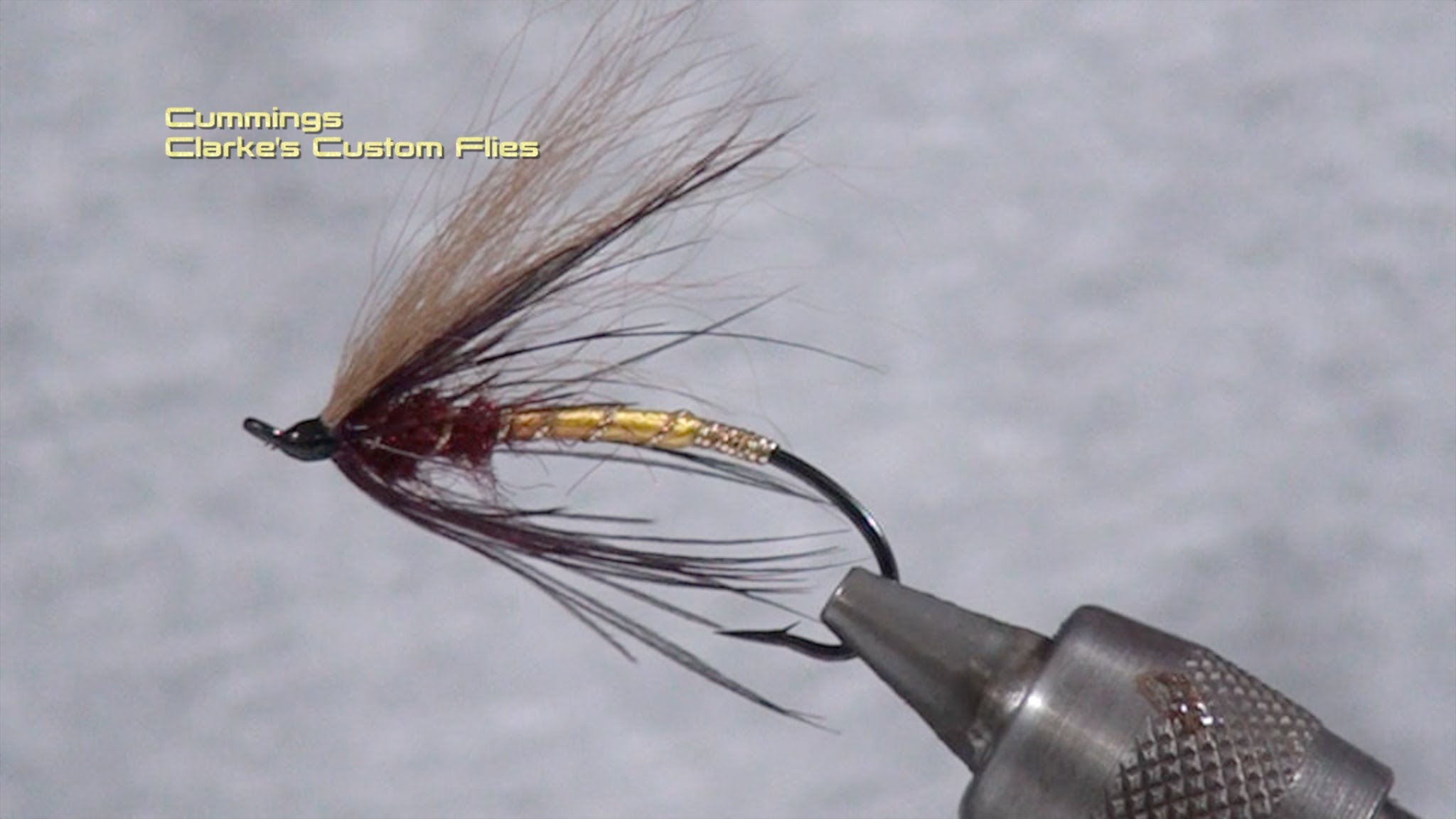
The Cummins is an effective Atlantic salmon or steelhead wet fly.
-
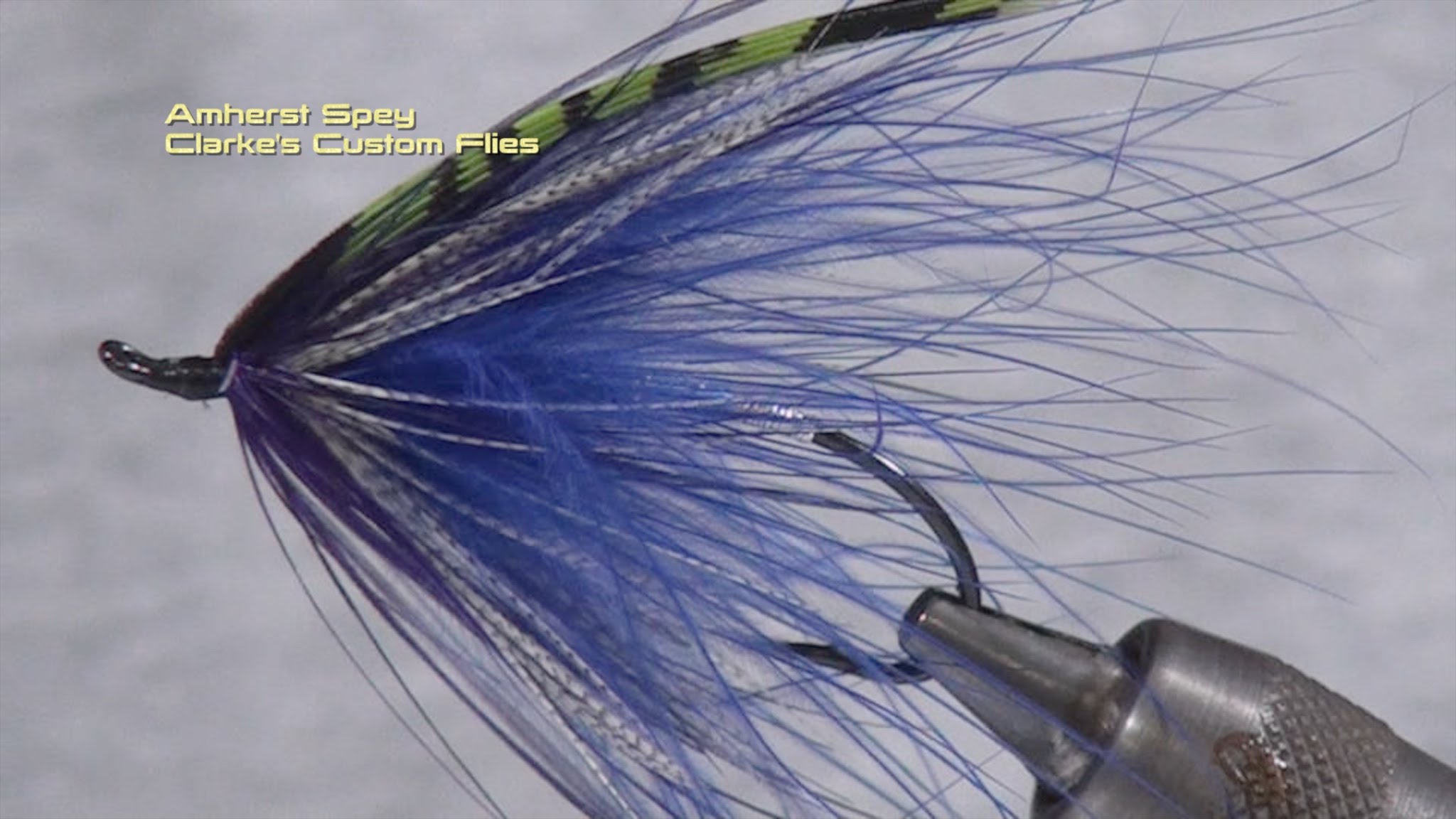
The Amherst Spey is a dynamite steelhead pattern.
-
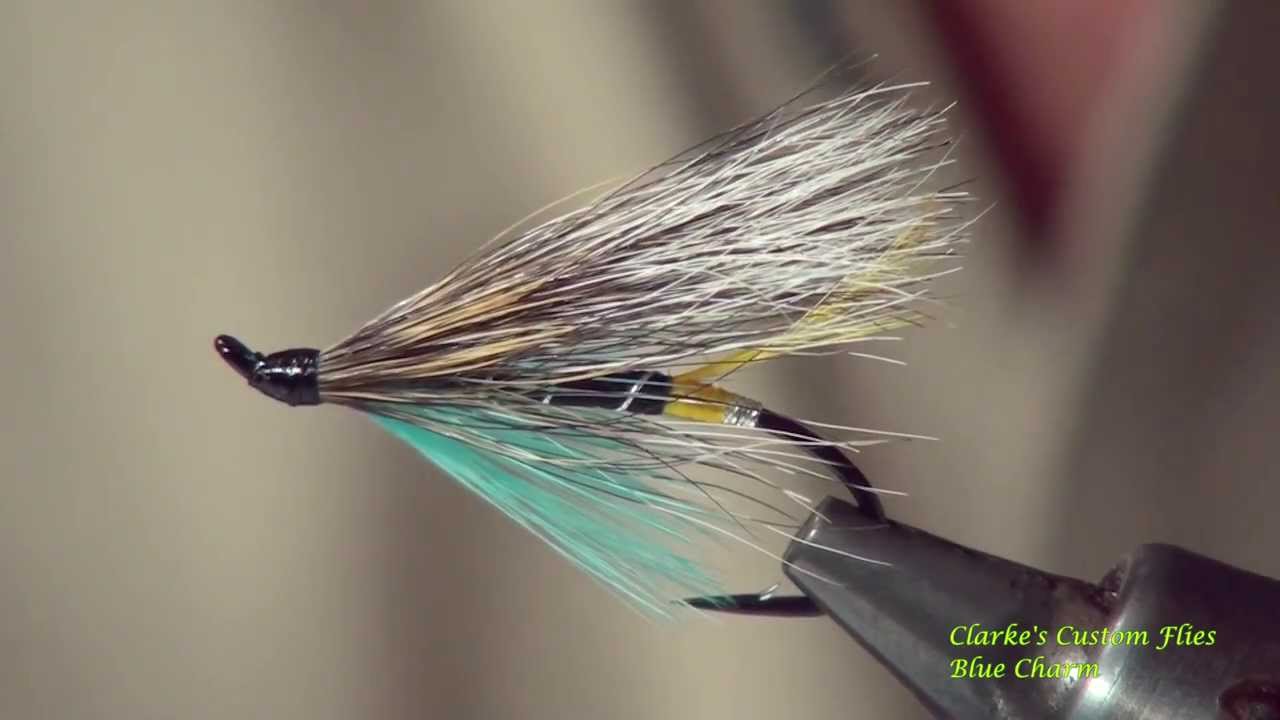
The Blue Charm is one of the best east coast producers of Atlantic salmon.
-
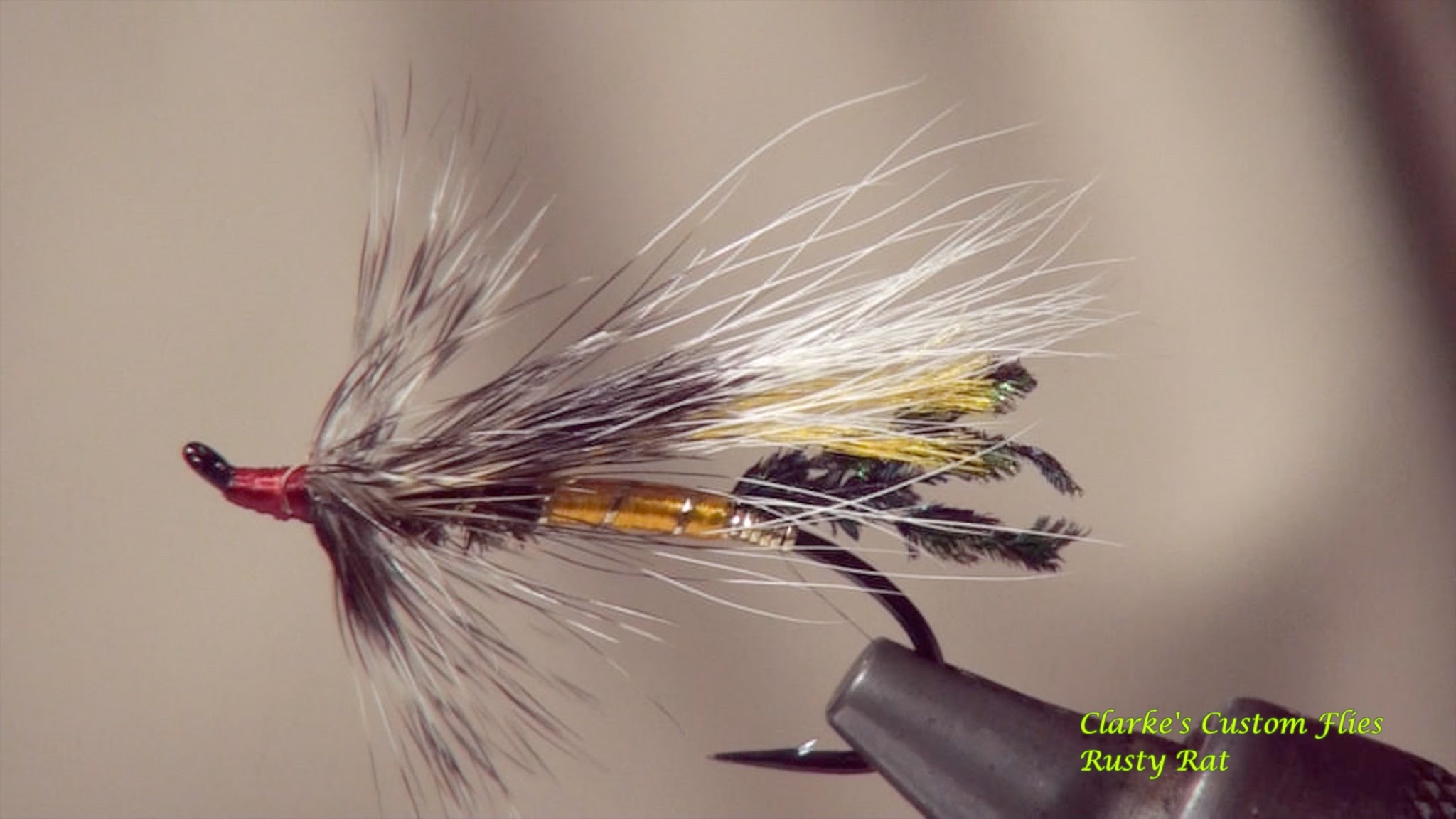
The Rusty Rat is an original Canadian east coast pattern.
-
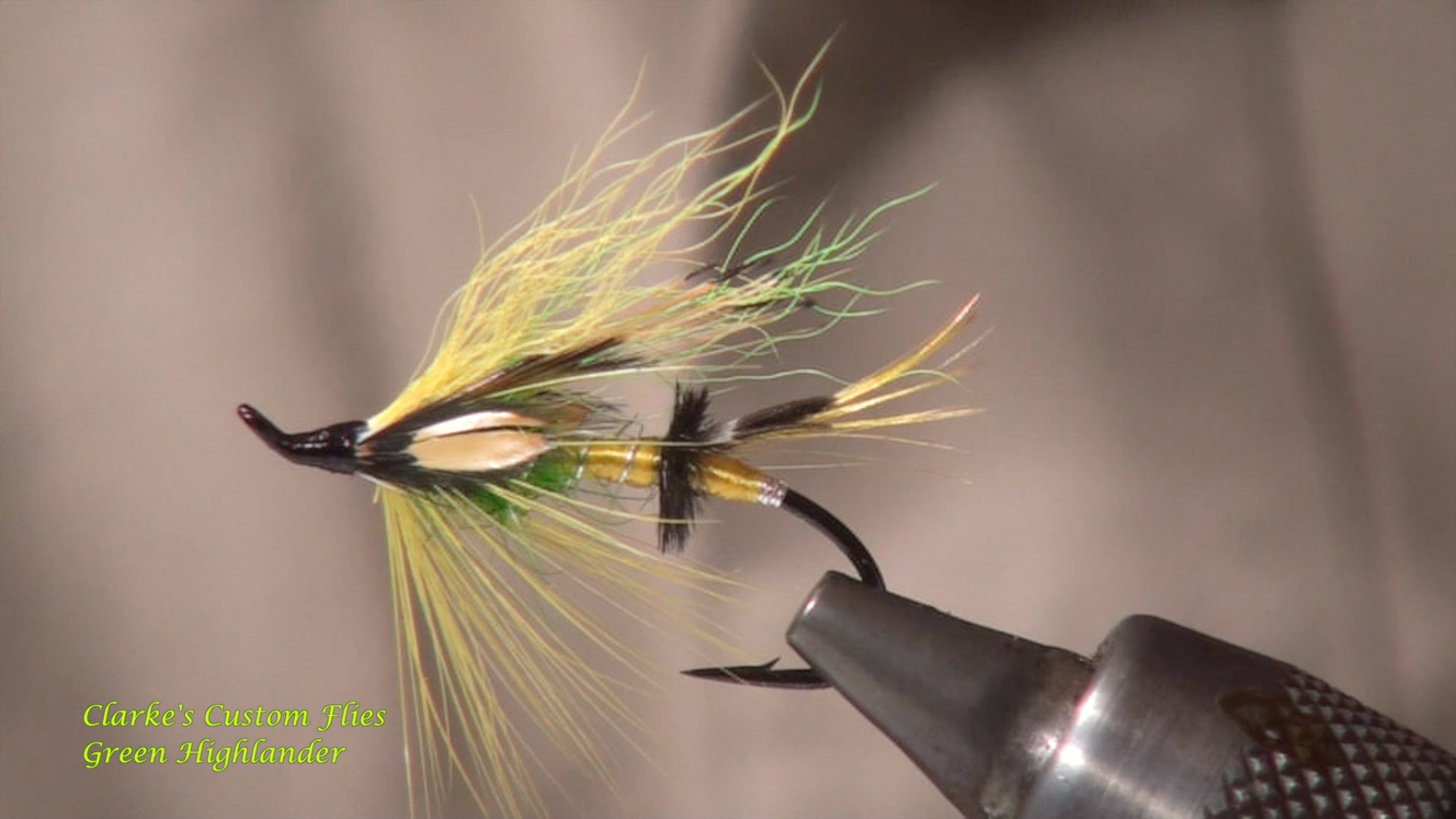
The Green Highlander is a famous Atlantic salmon pattern that is a favourite on Canada’s east coast.
-
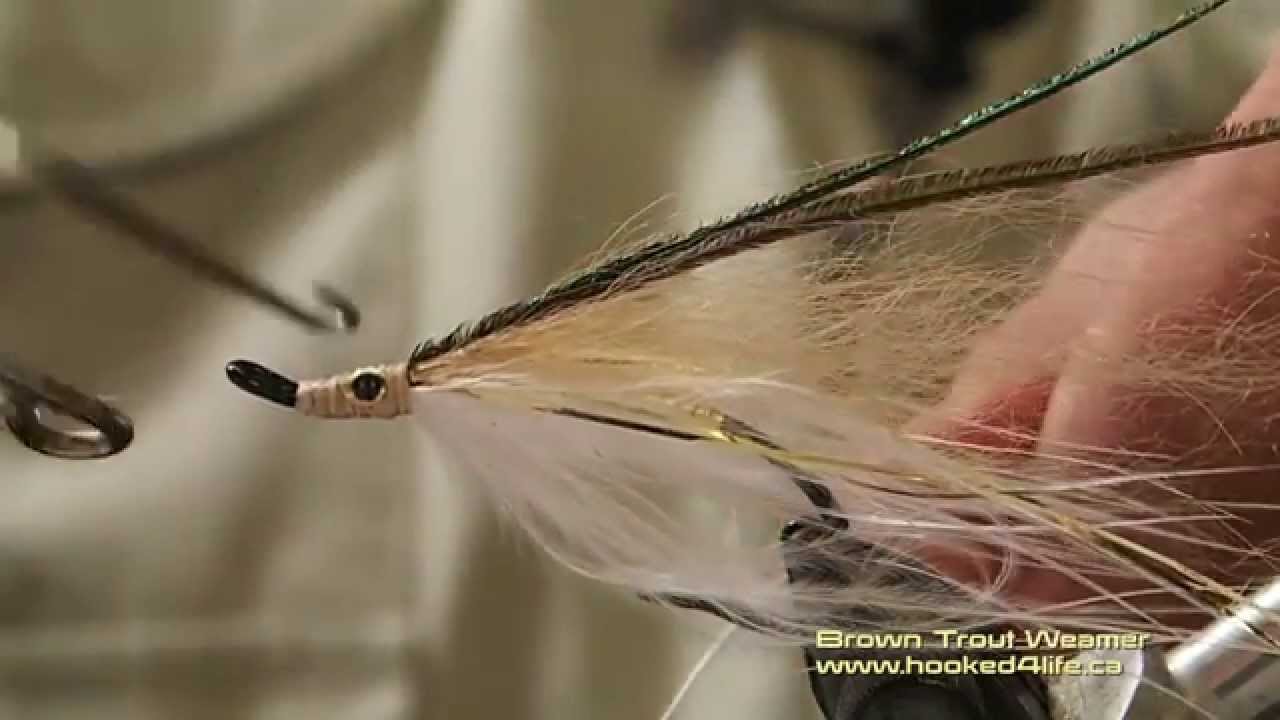
The Brown Trout Weamer has been my most successful pattern, responsible for fourteen different species of fish.
-
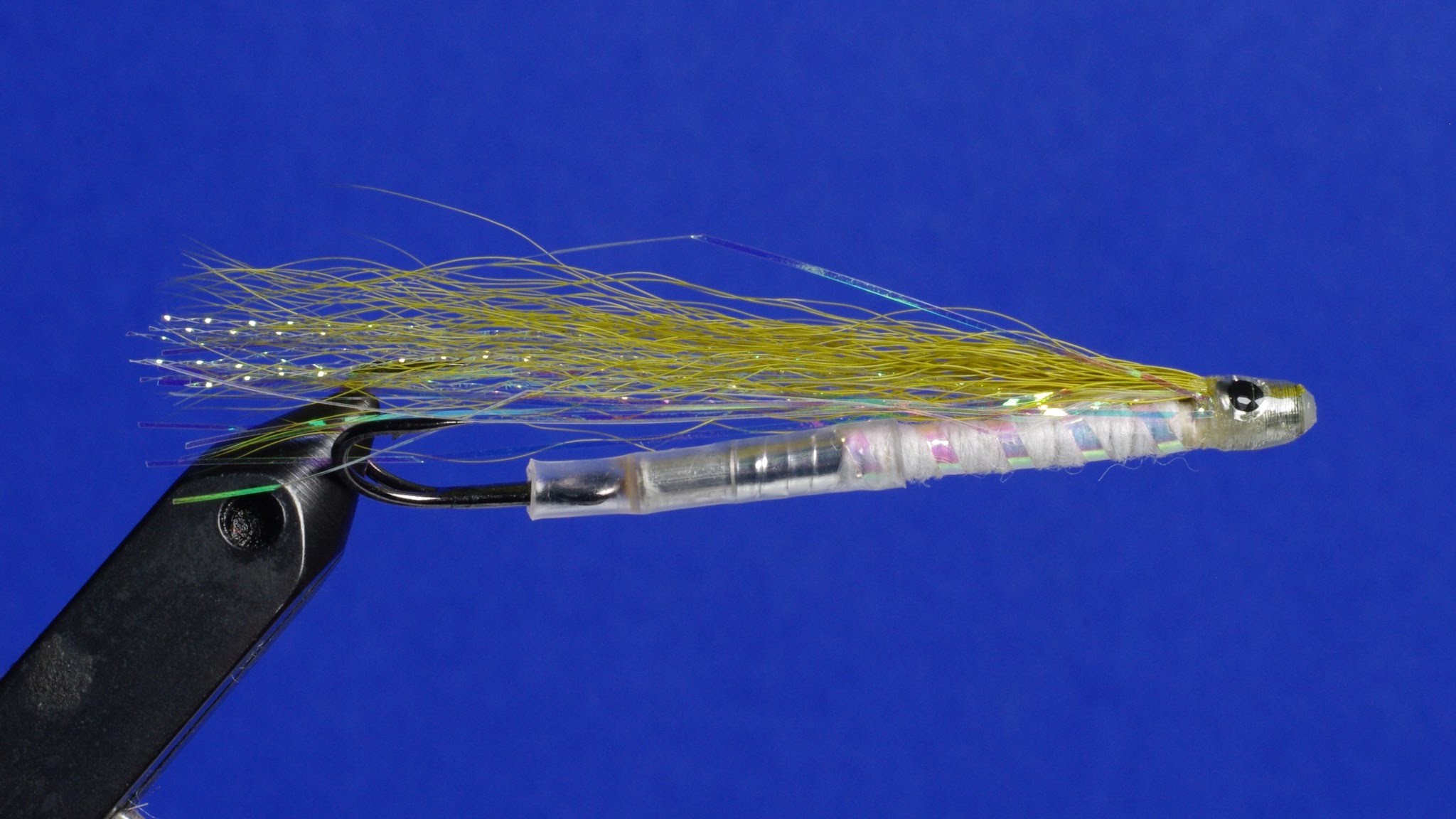
The Emerald Shiner imitates a popular baitfish for both bass and steelhead.
-
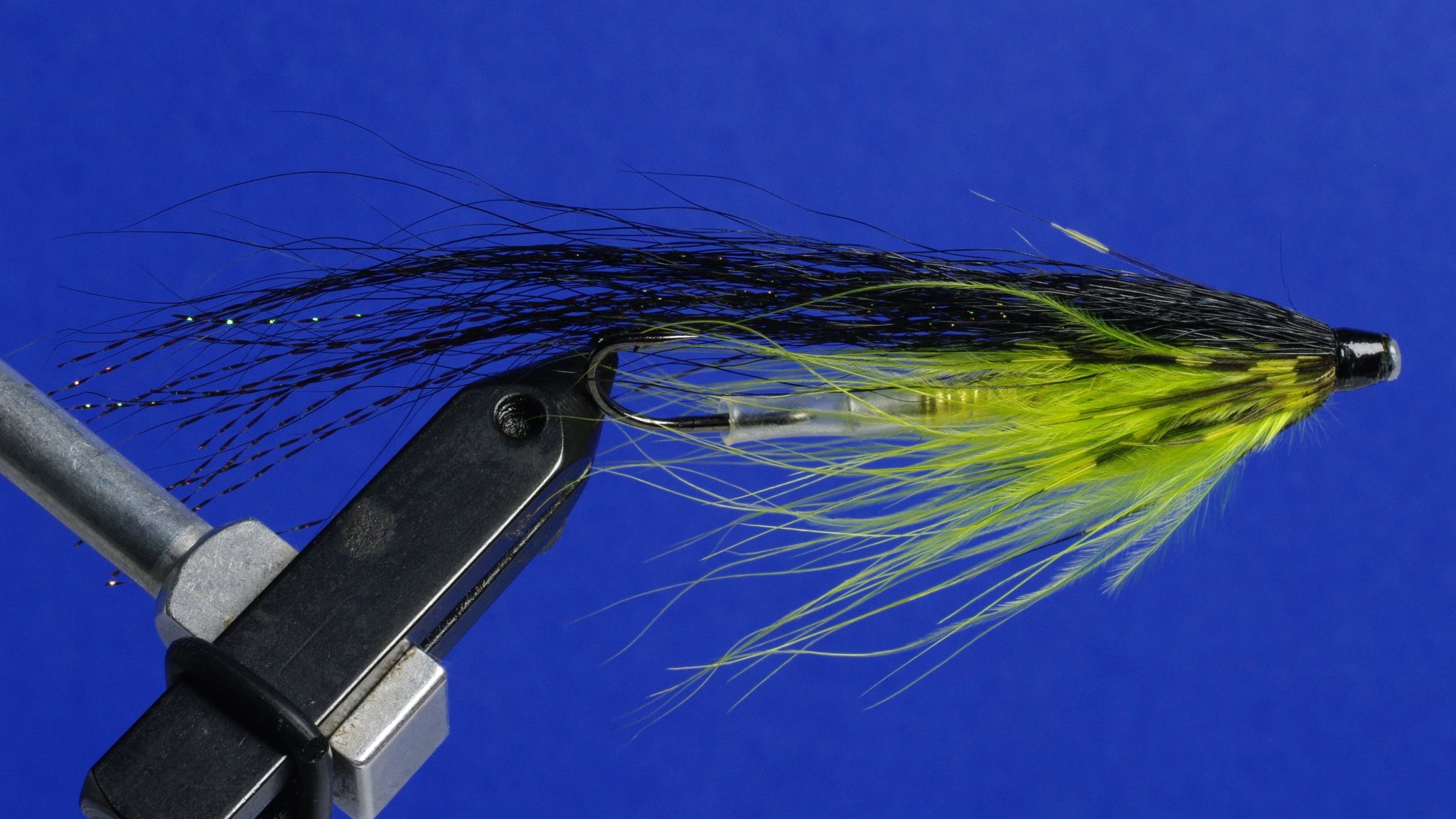
The B&C; Thingy has proven to be a very effective steelhead tube fly
-
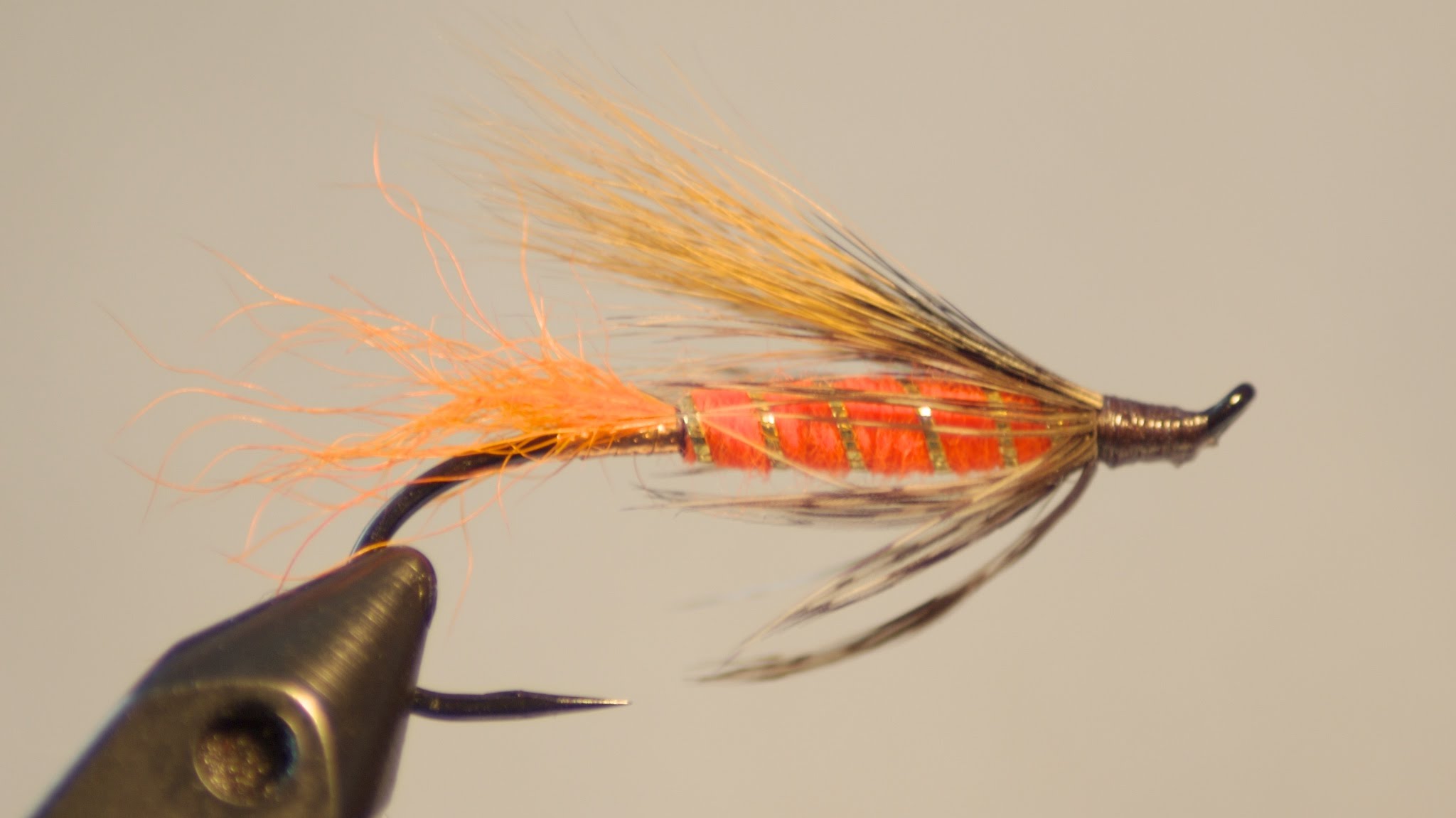
Named after a famed East Coast salmon guide, The Austin has done well with early fall steelhead and Atlantic salmon.
-
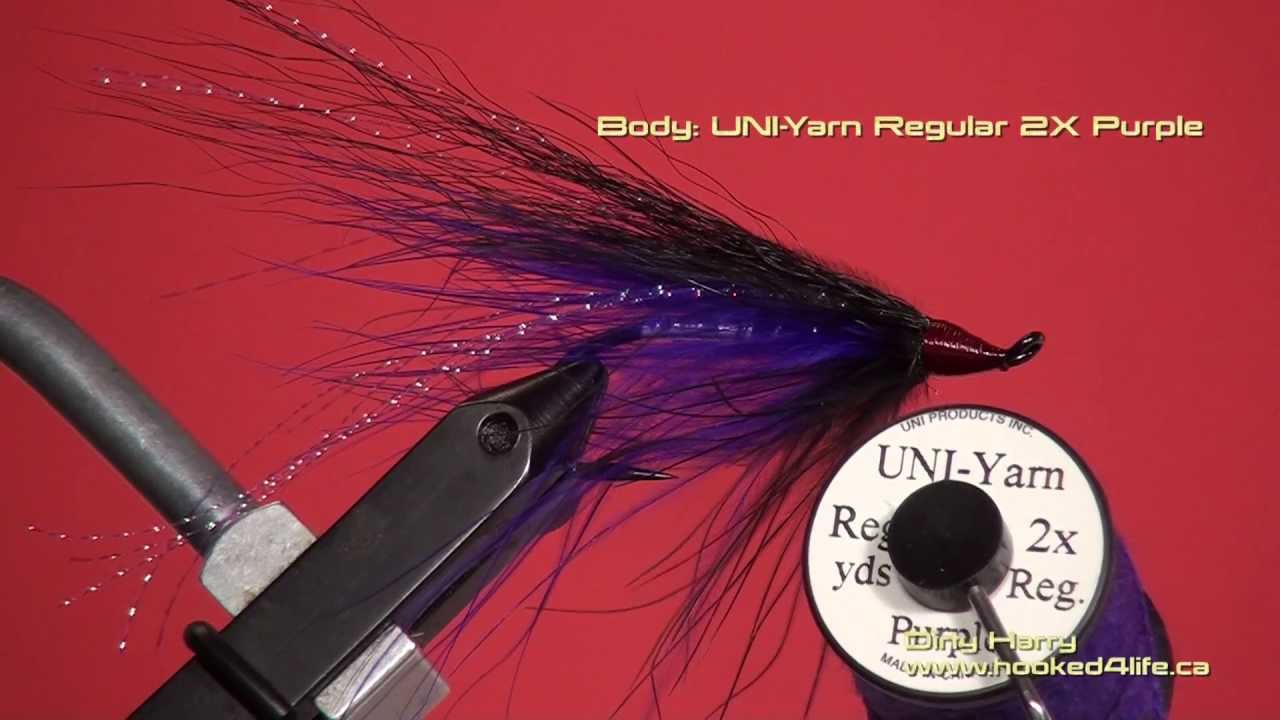
The Dirty Harry was my original Weamer design (elements of a wet fly and a streamer, then fished like either one) and it was designed to fish when rivers were high and running off colour.
-
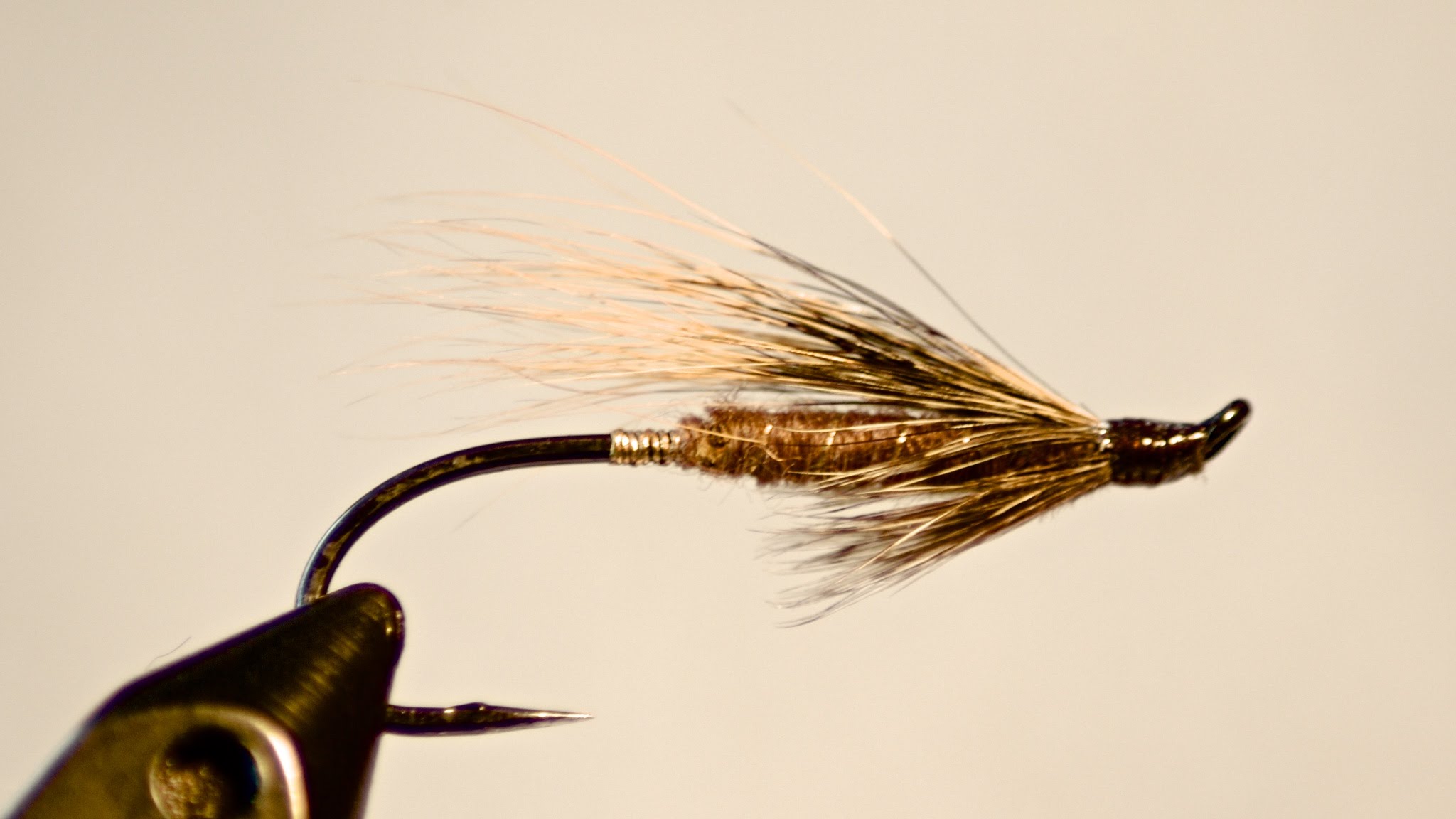
The Little Brown Thing or LBT is my best fly for making second pass over a steelhead when they have plucked at my first offering.
-
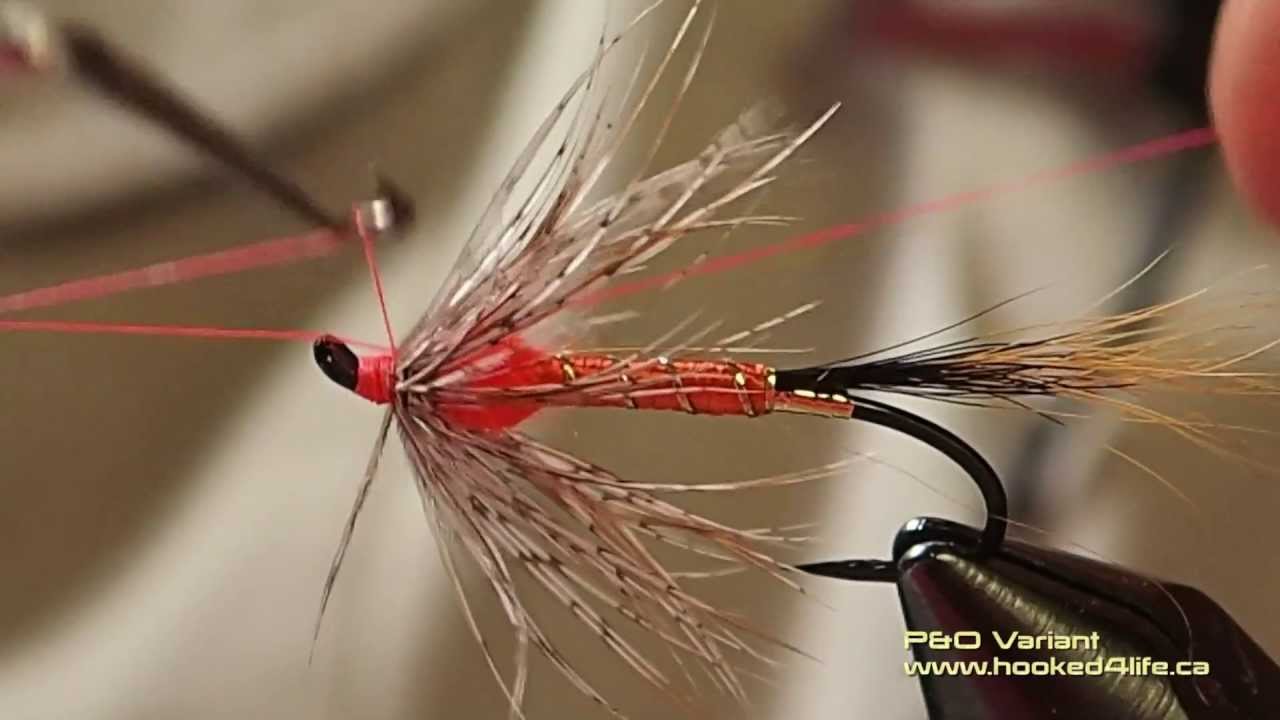
This Steelhead partridge and Orange is a variation on the famed Yorkshire wet fly of the same name. This one is good when steelhead are fussy. It can be swung as well as dead drifted.
-
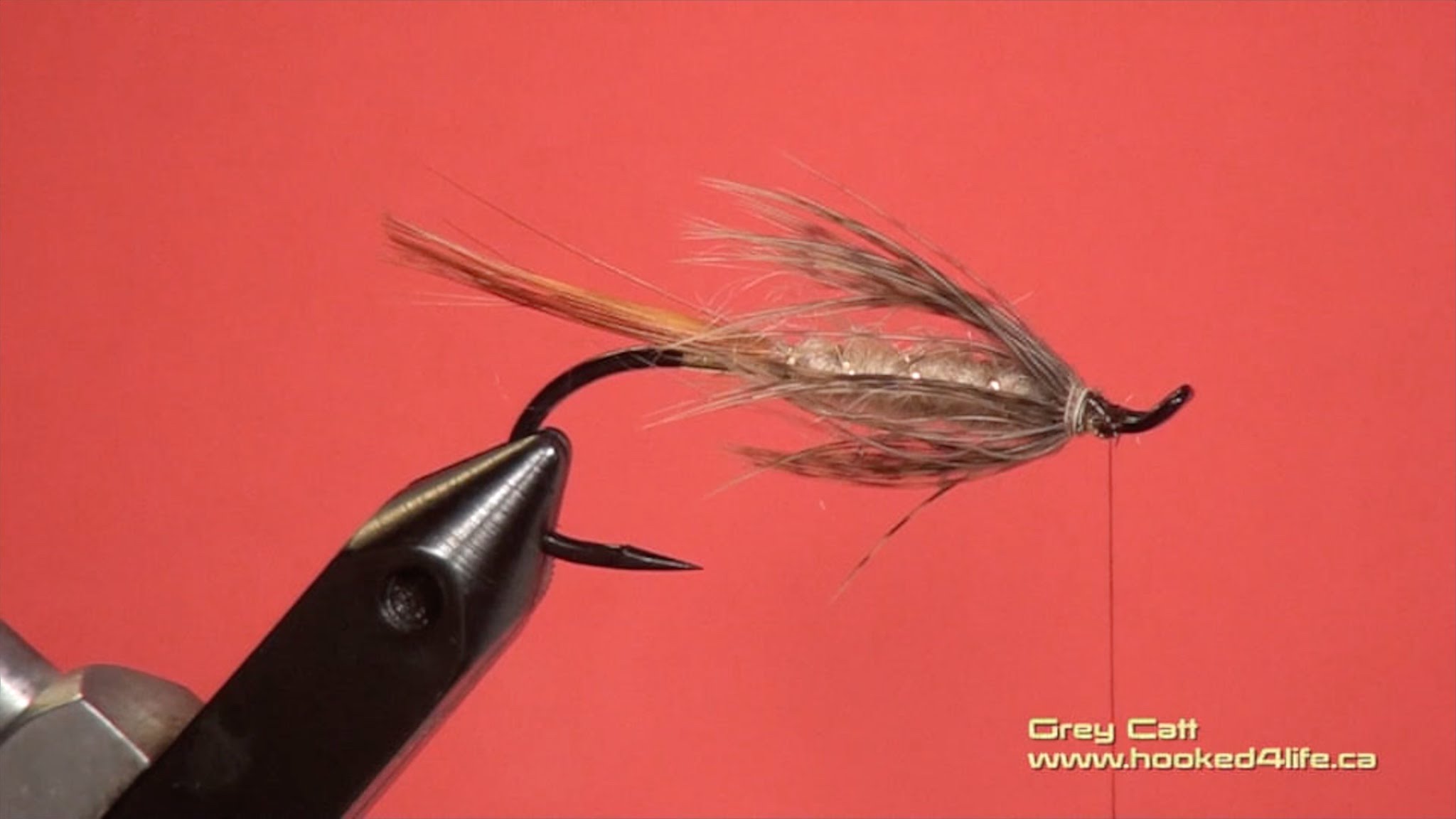
The Grey Catt caught my first Cattaraugus Creek steelhead on this well known New York state steelhead and bass creek, hence the name.
-
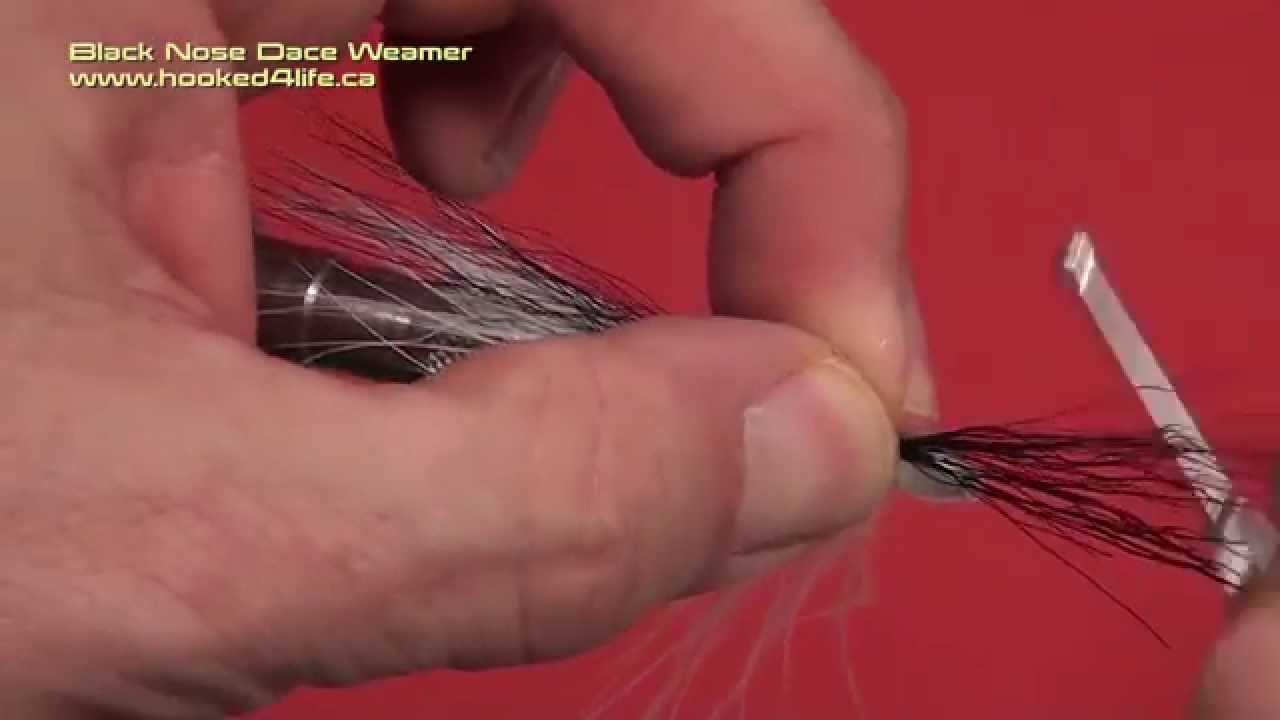
The Black Nosed Dace is a common minnow in our area and very popular with bass and steelhead. This fly is an adaptation of a pattern on of my fishing buddies loves to use and a very effective one too.
-
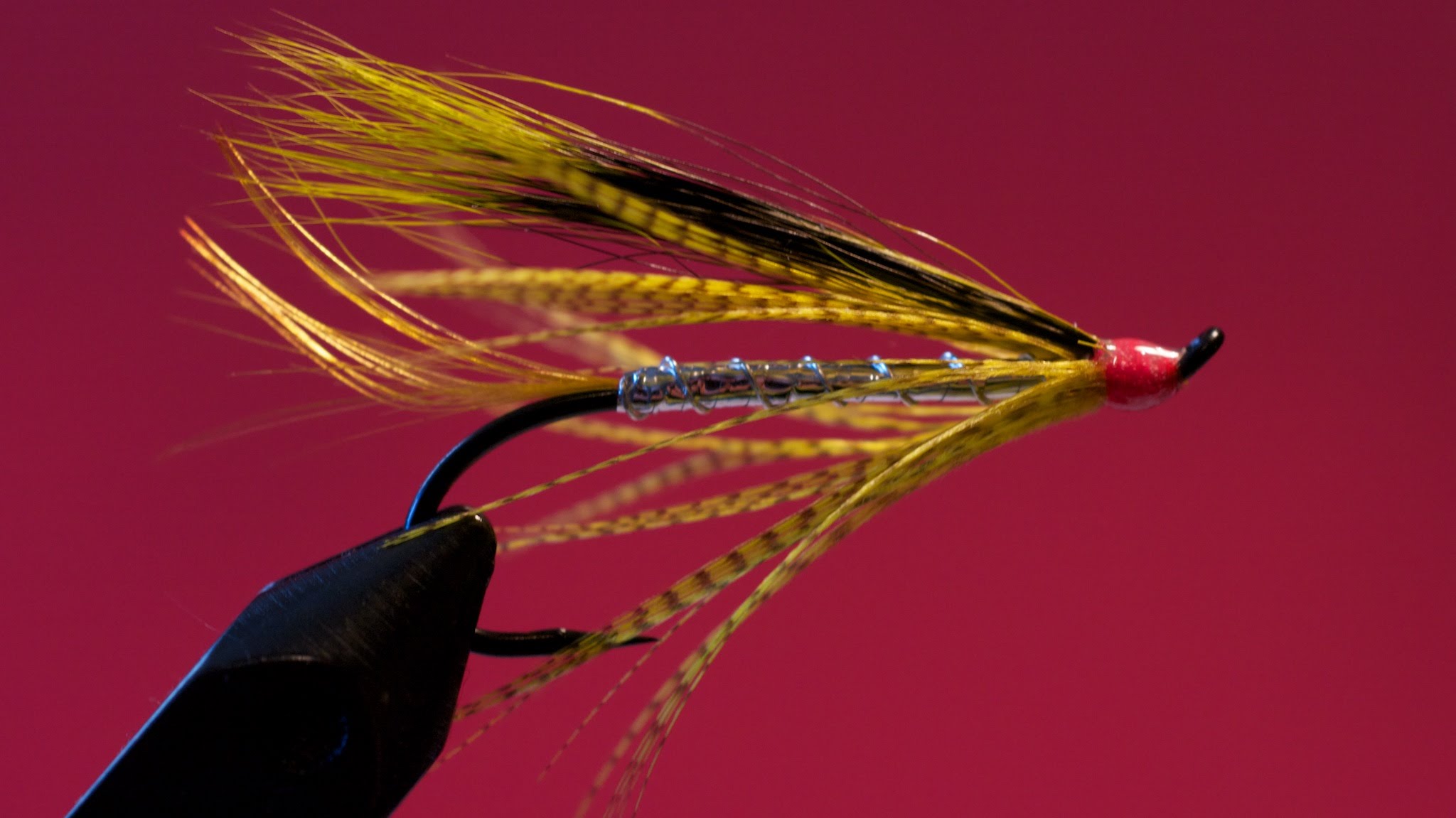
The Yellowtail is a slick salmon or steelhead fly that will penetrate well and stay down.