
Planning a Mallorca Sailing Holiday from Canada in 2026: Day Charter or Skippered Yacht Charter vs Bareboat, and How to Choose the Right Option
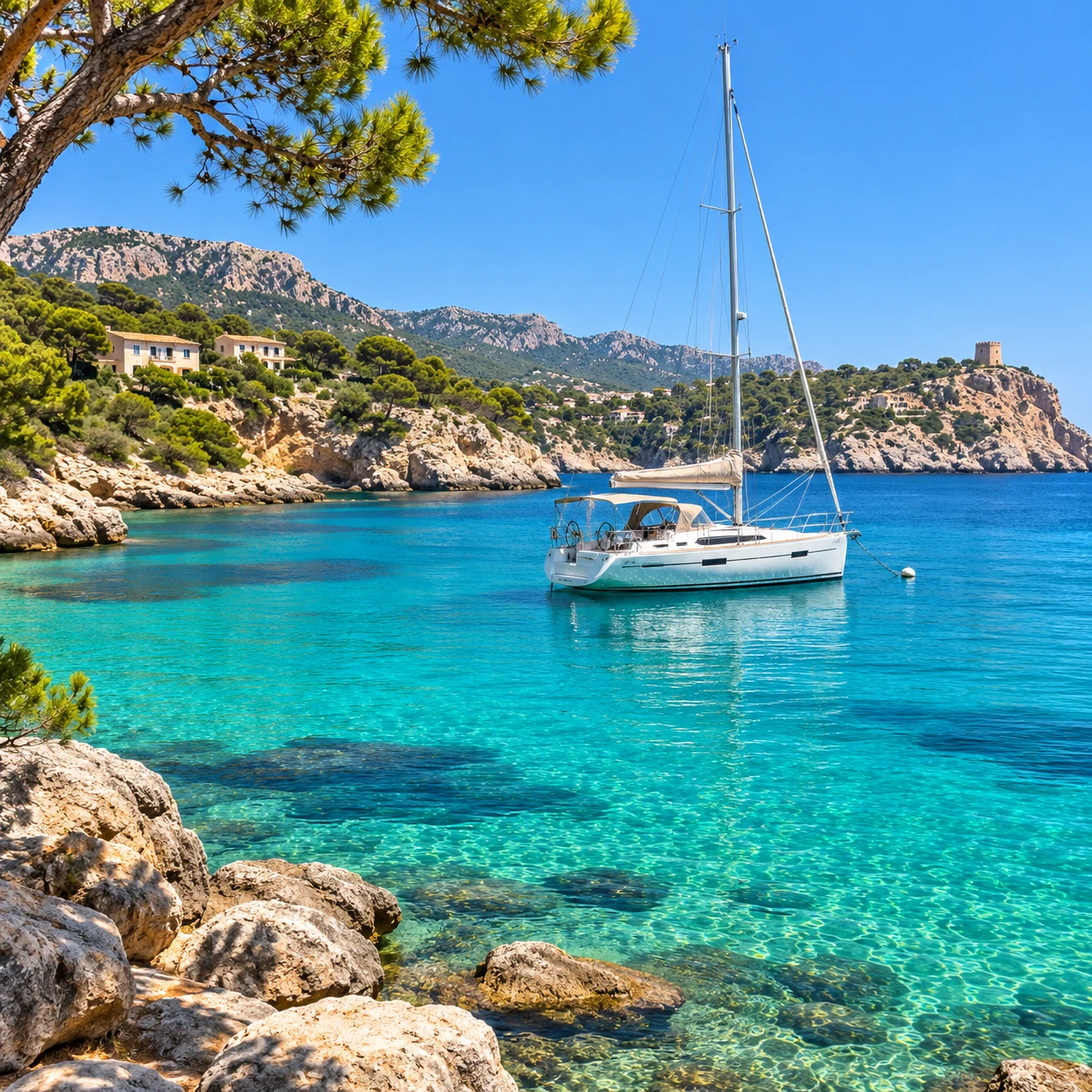
There's a particular kind of tired you feel stepping off a transatlantic flight from Toronto, Montreal or Vancouver, usually after a connection in Frankfurt, Paris, London or Madrid. Then the Mediterranean hits you: warm light, clear water, and a boat bobbing in a cove that smells of pine and salt. That's the pitch for a Mallorca sailing holiday in 2026, and it's a good one. The real question isn't whether to go. It's how much time, effort and responsibility you want to take on once you're out on the water.
In this article I'll walk through the three main ways to sail around the island: a day charter, a skippered charter and a bareboat charter. By the end you should know which one fits your experience, your group and your holiday style. If you want to peek at a local operator while you compare options, https://yeska.es/ is a good place to start.
Why Mallorca Works for a Canadian Sailing Holiday in 2026
Mallorca is one of those islands that seems designed for boats. The coastline is packed with sheltered bays, and the distances between anchorages are short, often just a few hours of easy sailing. You can have breakfast in one cove, swim in another at lunchtime and be tied up somewhere new by evening without ever feeling rushed.
The summer weather is reliable, the airport at Palma is a straightforward 20-minute drive from the main marinas, and the island suits almost everyone. First-timers get gentle conditions and plenty of protected water. Experienced sailors get enough variety to stay interested, from the sheltered Bay of Palma to the more exposed north coast.
For Canadians, the sweet spot is May through October. May, June and September tend to be quieter and a bit cheaper, with pleasant temperatures. July and August are hot, busy and gorgeous, which is exactly why they sell out first. October can still be lovely, though the weather gets less predictable as the month goes on.
Timing and Logistics from Canada
Most routes from Canada to Palma involve one stop, typically at a major European hub. Seasonal direct or near-direct options pop up now and then, and they're worth checking. Expect somewhere around 10 to 14 hours of total travel time, depending on where you start and how long the layover drags on.
Then there's the time difference. Mallorca is six hours ahead of Eastern Time and nine ahead of Pacific, so jet lag is real, especially going east. I'd strongly suggest not booking a sailing day for the morning after you land. Give yourself a night in Palma first. Sleep, a decent dinner, a slow walk along the waterfront.
As for length of stay, a week is a comfortable minimum if you're flying this far. Ten days to two weeks lets you combine a charter with some time on land. And for peak July and August 2026, book early. Boats, skippers and good flight prices all disappear sooner than people expect.
The Three Main Ways to Sail: A Quick Overview
The terms get thrown around loosely, so here they are in plain language.
- Day charter: a boat for a few hours or a full day, usually with a professional skipper in charge. You show up, relax and go home to your hotel at night.
- Skippered charter: you rent a yacht for several days or a week, and a professional skipper (sometimes with a hostess or crew) handles navigation, mooring and safety. You decide where you'd like to go and they make it work.
- Bareboat charter: you rent the yacht without crew, and you are the captain. Everything from route planning to anchoring to returning the boat intact is on you.
On trip length, day charters run from half a day to a full day. Skippered charters usually run from a weekend to a week or more. Bareboat charters are generally booked by the week, though shorter bookings exist.
Day Charter in Mallorca: Ideal for Short Stays and First-Timers
A day charter is the lowest-commitment way to experience sailing here. It suits people combining a land-based holiday with a day at sea, families with kids who might not last a week on a boat, groups celebrating something, and anyone who isn't sure they'll enjoy life on the water. If you've never sailed, you get to find out without a big financial or time commitment.
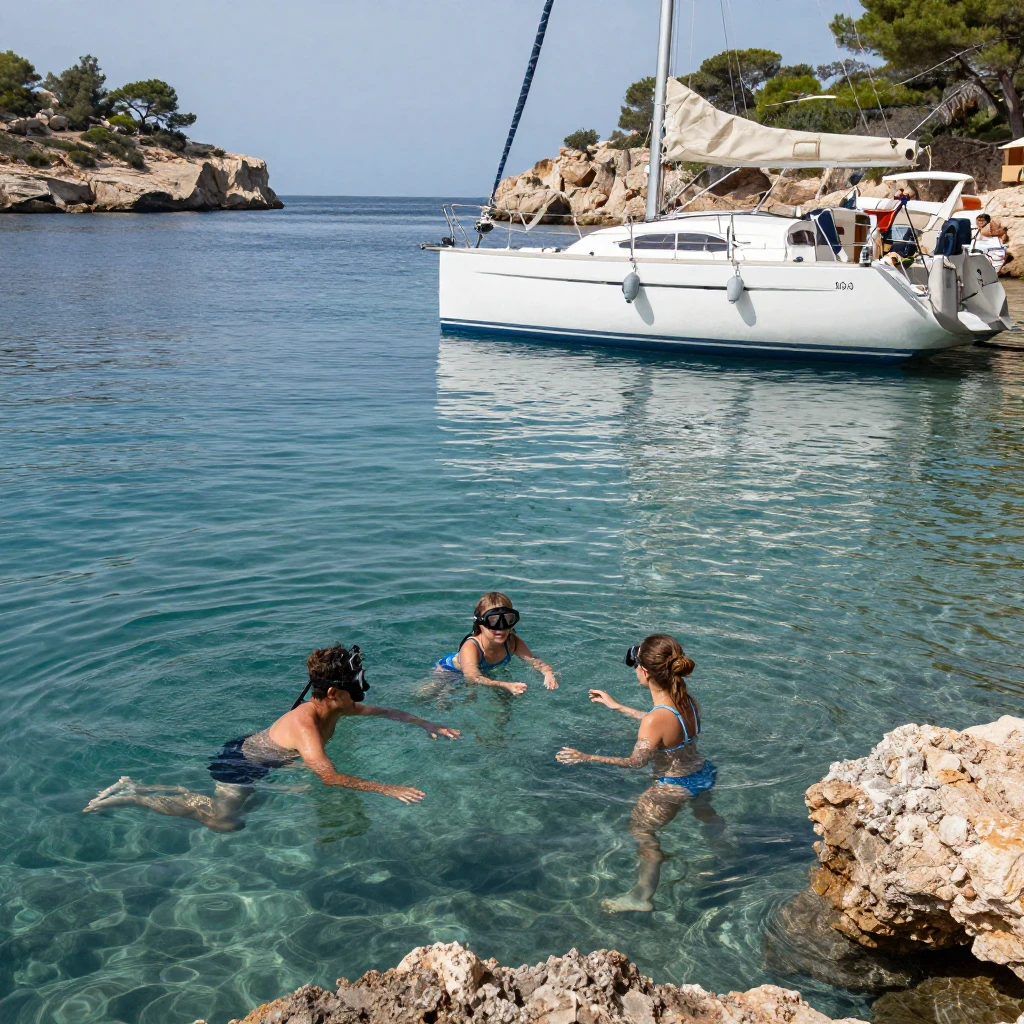
A typical day goes something like this: you board in the morning, motor or sail out of the bay, stop at a quiet cove for swimming and snorkelling, have lunch on board, maybe do a second swim stop, and head back in the late afternoon. It's unhurried, and honestly that's the whole point. Most day charters include the boat, the skipper, fuel for the planned route, and basic equipment like towels or snorkelling gear. It varies, though, so always confirm what's covered before booking.
If you'd like to see actual formats, durations and details, you can browse the options at https://yeska.es/day-charter-mallorca/.
Skippered Yacht Charter vs Bareboat: What's the Real Difference?
This is where most multi-day planning decisions get made, so it's worth being specific.
- Responsibility: on a skippered charter, the skipper is legally and practically in charge. On a bareboat, that's you, including for anything that goes wrong.
- Cost: bareboat has the lower headline price because you're not paying for a skipper. But add fuel, mooring fees, provisioning and any extras, and the gap narrows more than people expect.
- Experience required: none for skippered. For bareboat, the charter company will want proof of qualifications and recent experience.
- Insurance and deposits: bareboat usually comes with a substantial security deposit, which is held against damage. Skippered charters typically have lighter deposit arrangements, though terms vary by operator.
- Local knowledge: a local skipper knows which anchorages are sheltered in a given wind, where to get a table at a good beach restaurant and which marinas to avoid on a Saturday in August. A chartplotter can't replace that.
- Relaxation: skippered wins easily. Bareboat means you're working, even when it's fun work.
- Flexibility: bareboat gives you total control over the schedule. Skippered is flexible too, within the skipper's judgment about safety and weather.
When a Skippered Charter Makes Sense
I'd point most Canadian visitors toward a skippered option, particularly if you have no Mediterranean sailing experience. Docking in a tight Med marina, often stern-to with lazy lines, is nothing like most Canadian harbours. It catches out plenty of otherwise competent sailors.
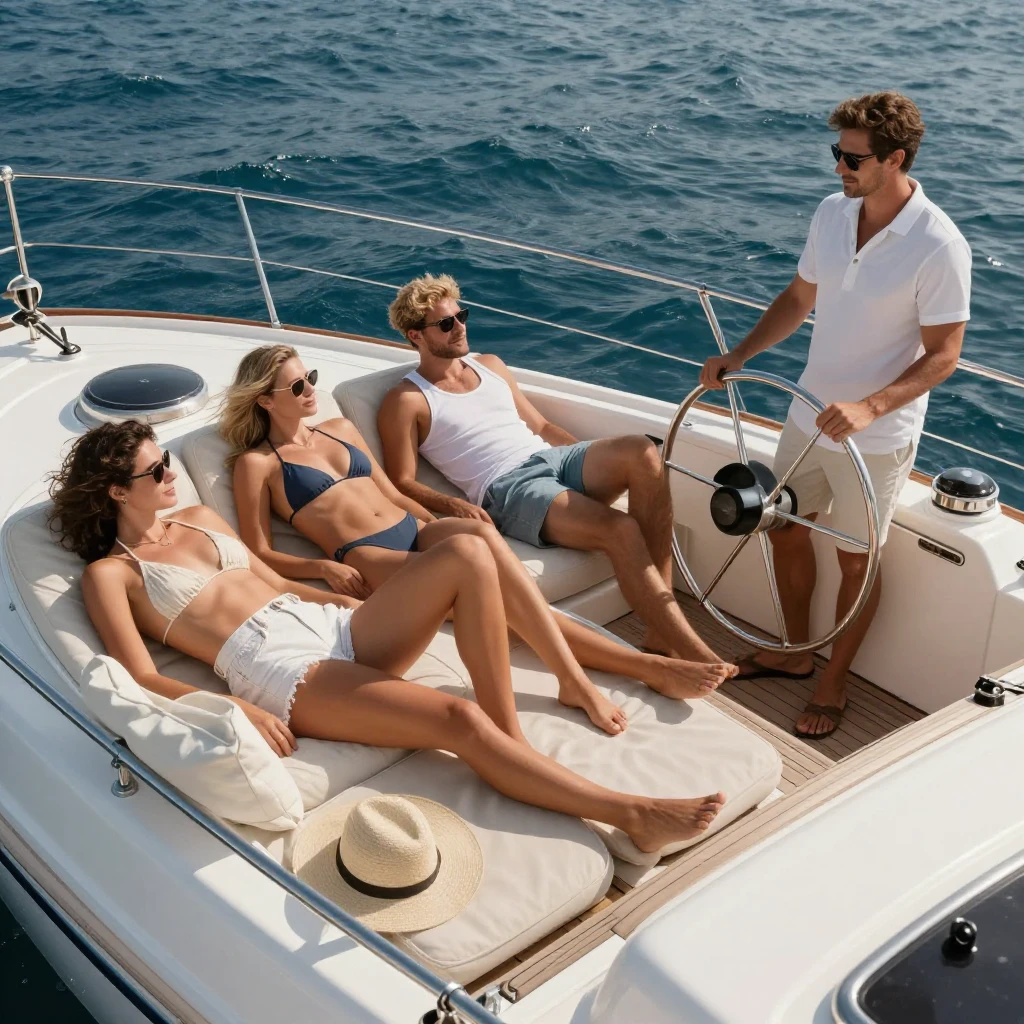
Skippered also makes sense if you don't hold a recognised licence, if you want a genuinely stress-free holiday, or if you're travelling with a group that wants to swim, eat and chat rather than trim sails and check the forecast.
If you want to see this comparison laid out in more detail, take a look at this skippered yacht charter mallorca guide, which compares both formats side by side.
When Bareboat Is the Better Choice
Bareboat is great if you're a qualified skipper who wants full independence and has the paperwork to prove it. Charter companies generally want to see a recognised certificate of competence and a sailing résumé showing recent experience on similar boats. For Canadians, that usually means documentation along the lines of Sail Canada or Canadian Yachting Association credentials, and many operators also ask for an International Certificate of Competence (ICC).
Requirements differ between companies and can change, so check with your operator well before you fly. Not at the dock.
Bring copies of everything, a logbook if you keep one, and be ready to talk through your experience. A good charter company will ask questions, and that's a sign they care about safety, not that they're being difficult.
How to Choose the Right Option: A Practical Decision Checklist
Run through these questions honestly before you book anything.
- Experience level: have you handled a yacht of this size in Mediterranean conditions?
- Licences: do you hold current, recognised credentials that the operator will accept?
- Group size: larger groups usually mean more cabins, more logistics and more benefit from having a professional on board.
- Budget: compare total cost, not just the headline rate.
- Trip length: a few days or a week?
- Comfort priorities: do you want to sail the boat or simply be on it?
- Appetite for responsibility: would you enjoy making navigation and safety calls, or would they ruin your holiday?
A quick summary:
- If you're short on time or new to sailing, choose a day charter.
- If you want a relaxing week without the paperwork or stress, choose a skippered charter.
- If you're a certified, experienced skipper who wants full control, choose bareboat.
Common Mistakes to Avoid When Booking from Canada
- Underestimating the time needed: long flights and jet lag eat into your first day or two. Don't plan a big sail right after landing.
- Overlooking licence requirements: sorting out documentation at the last minute is a classic way to lose a bareboat booking.
- Ignoring extra costs: fuel, mooring, cleaning, provisioning and security deposits can add up quickly.
- Booking too late: especially for July and August 2026, when the best boats go first.
- Overpacking the itinerary: trying to hit every bay in seven days turns a holiday into a delivery run. Fewer stops, more swimming.
- Skipping the fine print: check cancellation terms, weather policies, and how payments work, including currency and any foreign exchange fees on your card.
Frequently Asked Questions
Do Canadians need a licence for a bareboat charter?
In practice, yes. Operators generally require a recognised qualification and proof of experience. Exact requirements depend on the company and the boat, so confirm early.
What is included in a day charter?
Usually the boat, a skipper, and fuel for the planned route, and often some extras like snorkelling gear. Food, drinks and port fees vary, so ask what's covered.
How far ahead should I book for 2026?
For peak summer, several months ahead is sensible. For shoulder season, a bit less, but earlier still gives you more choice and better flights.
Is a skippered charter much more expensive than bareboat?
The base price is higher, but once you add bareboat deposits, fuel, mooring and the cost of any mistakes, the gap is often smaller than it first appears. For many groups, the peace of mind is worth it.
Conclusion
Mallorca makes it easy to say yes to sailing, but the format you pick shapes the whole holiday. A day charter is a low-pressure taste of the island by sea. A skippered charter gives you a full sailing holiday with a professional handling the hard parts. A bareboat charter hands you the keys, along with all the responsibility, if you have the qualifications and the confidence.
Match the format to your experience and what you actually want from your time off, not what sounds most impressive. When you're ready to check options and availability for 2026, have a look at https://yeska.es/.